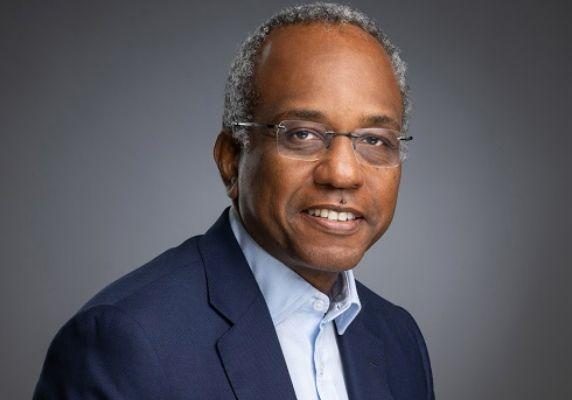
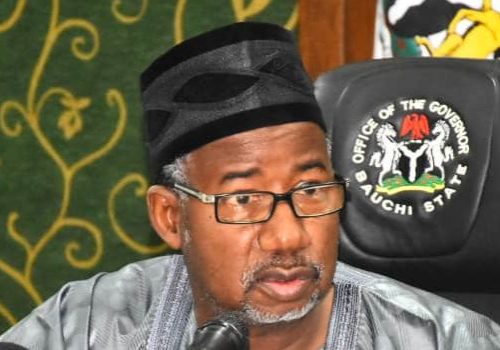
Nigerian President Bola Tinubu has replaced the heads of two key petroleum regulatory agencies following serious corruption allegations. The move comes after the chief executives of the Nigerian Midstream and Downstream Petroleum Regulatory Authority and the Nigerian Upstream Petroleum Regulatory Commission resigned. The allegations, made by Dangote Industries president Aliko Dangote, accused one of the executives of economic sabotage, abuse of office, and living beyond his means. The executive denied the claims, but Tinubu has since nominated new appointments, citing their extensive experience in the oil and gas sector.
In other news, deadly floods in Morocco’s coastal city of Safi have sparked outrage over years of neglect and poor infrastructure management. The floods, which killed dozens and injured many more, have highlighted deep social inequalities in the flood-prone area. Residents have accused authorities of marginalization, and political parties, unions, and civic groups have formed a solidarity commission to call for protests.
Meanwhile, in Sudan, thousands of people have been displaced in the Kordofan region, exacerbating a growing humanitarian crisis. The United Nations reports that over 1,000 people have fled hostilities in the region, seeking refuge in other parts of the country or crossing into South Sudan. Humanitarian agencies are providing basic assistance, but warn that needs far exceed available resources.
In South Africa, a diplomatic row has erupted with the United States over visa violations at a refugee facility. Seven Kenyan nationals were arrested for working without valid permits at a center processing refugee applications for white South Africans. The US has accused South Africa of interfering in its refugee operations, while South Africa’s government has rejected claims that the community is facing persecution.
In Tunisia, supporters of President Kais Saied have rallied in the capital, calling opposition members “traitors” amid a deepening economic crisis. The country is experiencing high inflation, shortages of basic items, and poor public services, fueling public frustration. Rights groups have accused Saied of an unprecedented crackdown on the opposition, using the judiciary and police to stifle criticism. The situation has sparked concerns over Tunisia’s democratic future, with a nationwide strike planned for next month.
These developments highlight the complex and interconnected challenges facing countries across Africa, from corruption and environmental disasters to humanitarian crises and diplomatic tensions. As the situations continue to unfold, international attention will be focused on the responses of governments and the impact on local communities.