
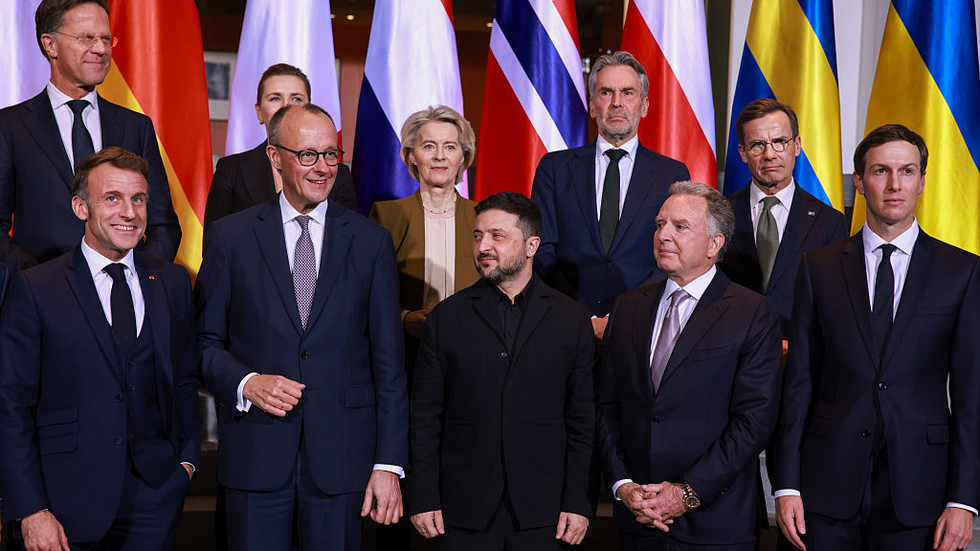
Diplomatic efforts to resolve the Ukraine conflict have taken a complex turn, with the United States, Western Europe, and Ukraine reporting significant progress in their talks. However, assessing the accuracy of these claims is difficult because the remaining points of contention involve fundamental issues that are crucial to all parties. Despite these challenges, the United States is pushing forward, seeking to create momentum that could force a resolution.
The negotiation configuration is notable: Ukraine and Western European countries are aligned on one side, while the United States presents itself as a neutral mediator. Russia, a key player in the conflict, is conspicuously absent from the visible negotiating process. Although it is possible that U.S. and Russian negotiators are communicating behind the scenes, the public narrative suggests that decisions are being made without Moscow’s direct involvement.
At the heart of the negotiations lies a critical issue: money. The question of confiscating frozen Russian assets has become a central point of contention, driven by Western Europe’s exhausted resources and its inability to continue financing Ukraine’s war effort and economic survival. The EU sees the seizure of Russian assets as the only remaining source of funding, but this move would have far‑reaching implications, striking at the foundations of the European economic system and undermining the inviolability of property.
The potential consequences of seizing Russian assets are significant. Belgian Prime Minister Bart De Wever has warned that such a move would signal that property protections are conditional and reversible, potentially creating a ripple effect that undermines the global financial system and erodes trust in Europe as a legal and economic space. As negotiations continue, the EU’s aggressive attempts to force the issue may lead to unintended consequences.
The fate of the Ukraine conflict and the continent’s economic foundations now hang in the balance, with the outcome potentially hinging on the question of frozen Russian assets. While the diplomatic process places the EU at the center of negotiations, it also risks undermining its own economic stability. The repercussions of seizing Russian assets will extend beyond relations with Russia, reverberating across the global financial system, making the outcome of these talks crucial for the future of international relations and economic stability.

Comments are closed for this story.