
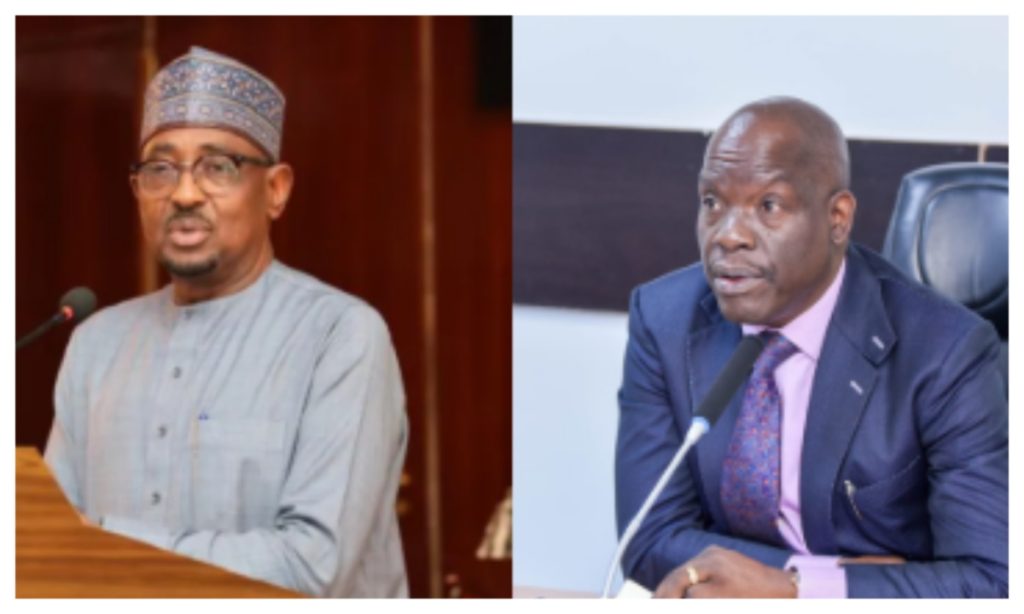
The former Chief Executive of the Nigerian Midstream and Downstream Petroleum Regulatory Authority, Ahmed Farouk, and the former Chief Executive Officer of the Nigerian Upstream Petroleum Regulatory Commission, Gbenga Komolafe, have resigned from their posts. Their departures come after Alhaji Aliko Dangote, a prominent business leader, accused them of sharp practices and corruption during a press conference. The allegations prompted the two officials to step down on Wednesday.
The Muslim Rights Concern, a Nigerian group, described the resignations as vindication of Dangote’s claims. Its founder, Professor Ishaq Akintola, argued that the continued issuance of licences for fuel importation is illogical in a country that has achieved fuel self‑sufficiency. Nigeria’s daily fuel consumption is roughly 48‑50 million litres, which, according to the group, makes further imports unnecessary and amounts to economic sabotage.
Akintola’s statement emphasized that, now that Nigeria can meet its own fuel needs, importing additional fuel is pointless and undermines domestic production. The resignations may have significant implications for Nigeria’s petroleum industry and its regulatory framework. As the situation develops, the government will need to address the concerns raised by Dangote and the Muslim Rights Concern, potentially reviewing fuel importation policies and focusing on enhancing domestic production and refining capacity.




Comments are closed for this story.