
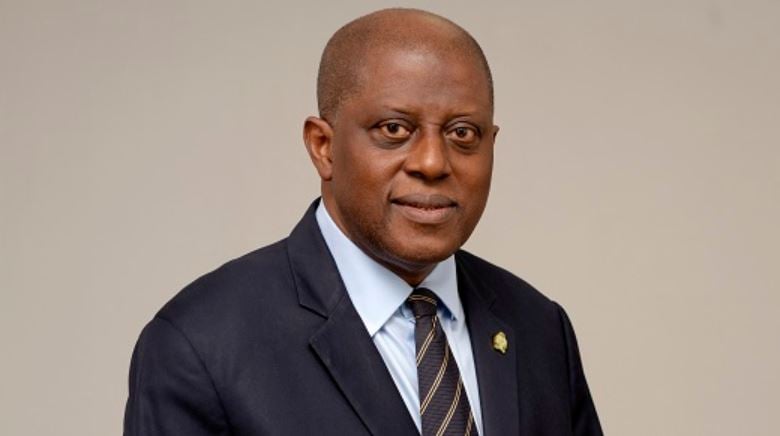
The Central Bank of Nigeria (CBN) is actively promoting its economic reform narrative to global investors, emphasizing policy stability, macroeconomic discipline, and renewed confidence to attract sustained capital inflows. Under the leadership of Governor Olayemi Cardoso, the CBN is pursuing deliberate strategies to restore discipline, strengthen confidence, and create sustainable investment opportunities for both domestic and international investors.
Recently, Cardoso reassured global investors of Nigeria’s commitment to macroeconomic stability, transparent markets, and predictable policy direction at the US-Nigeria Executive Business Roundtable in Washington, D.C. The engagement, convened by the US Chamber of Commerce’s US-Africa Business Centre, brought together senior US corporate executives, institutional investors, and policy influencers to strengthen commercial ties between the two countries and attract long-term capital into the Nigerian economy.
Cardoso presented a confident, reform-oriented narrative of Nigeria’s economy, anchored on rules-based management, institutional credibility, and a willingness to make difficult but necessary policy choices. He reaffirmed Nigeria’s firm commitment to macroeconomic stability and predictable policy frameworks, stressing that the country is pursuing reforms anchored on transparency and discipline.
The CBN has embarked on a series of far-reaching reforms aimed at attracting foreign capital, achieving price stability, and stabilizing the exchange rate. In 2023, the new administration, working with the apex bank, liberalized the foreign exchange market, ended central bank financing of fiscal deficits, and reformed fuel subsidies. These measures have been complemented by efforts to strengthen revenue collection and tackle surging inflation.
As a result, Nigeria’s international reserves have grown, while access to foreign exchange through official channels has improved. The country successfully returned to the international capital markets last December and has since received upgrades from rating agencies. A new domestic, privately owned refinery has begun repositioning Nigeria higher up the value chain within a fully deregulated downstream market.
Global investors are increasingly showing interest in Nigerian assets as the impact of CBN reforms spreads across key sectors of the economy. Nigeria’s recent return to the international debt market, with the successful issuance of a $2.25bn dual-tranche Eurobond, recorded the largest order book ever achieved by the country, underscoring strong investor confidence in Nigeria’s macroeconomic policies and fiscal management.
The Eurobond issuance has been hailed as a strong reaffirmation of investor confidence despite heightened global geopolitical tensions. Analysts note that while the inflows will bolster reserves, provide fiscal breathing room, and strengthen Nigeria’s ability to meet short-term obligations, the increased exposure to foreign currency debt also raises foreign exchange risks and interest burdens. Maintaining currency stability will be critical to sustaining recent gains.