
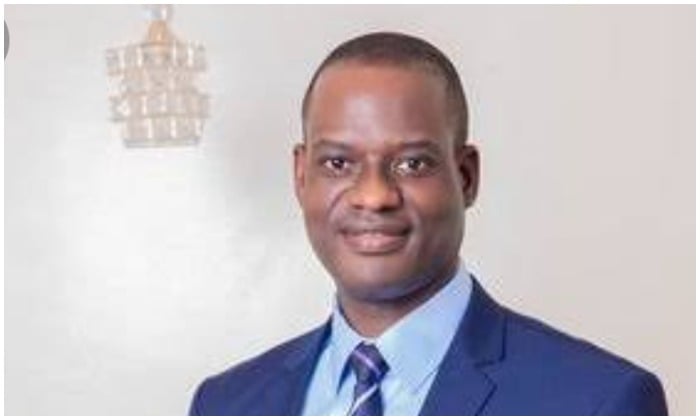
Lagos State could generate up to N1 trillion annually from property tax if its full potential is harnessed, according to Taiwo Oyedele, Chairman of the Presidential Fiscal Policy and Tax Reforms Committee. Speaking at the Tax Reform Summit 2026, Oyedele stressed the need for standardisation, transparency and harmonisation of tax practices to lower compliance costs and boost taxpayer confidence. He illustrated the revenue opportunity by noting that just two million taxable properties in Lagos, each valued at N100 million, could yield N1 trillion in taxes each year. Success, he argued, hinges on accurate property enumeration, reliable valuation, transparent dealings and predictable enforcement.
Oyedele also highlighted the critical role of data in unlocking property tax revenue. A credible taxpayer database and dependable property valuations are essential, he said, and Lagos State should lead in data quality and in enacting a legal framework for sub‑national tax operations. He urged the state to adopt a collaborative approach and to utilise the model tax‑harmonisation law drafted by his committee.
Lagos State Governor Babajide Sanwo‑Olu reiterated that Nigeria’s tax‑reform agenda will succeed only through effective implementation at the state level. He positioned Lagos as a leading sub‑national driver of the reforms, emphasizing simplicity, transparency, digital efficiency and fairness. Sanwo‑Olu described taxation as a social contract, noting that people comply willingly when they trust the government to be responsible, accountable and responsive.
Abdul‑Kabir Ogungbo, the Governor’s Special Adviser on taxation and revenue, called for a standardised revenue portal across all local governments and a transparent framework for revenue mobilisation. He argued that the state’s annual budget estimates should be higher, given its substantial economic responsibilities, and that collective effort is needed to achieve a sustainable revenue target of N10 trillion to N15 trillion per year.
The Tax Reform Summit 2026 aimed to establish a standardised revenue portal and a transparent mobilisation framework, creating a stable, fair and predictable revenue base that supports growth, equity and inclusive development. The summit underscored the importance of effective state‑level implementation and collaboration between states and local governments to realise Nigeria’s broader tax‑reform agenda.




Comments are closed for this story.