
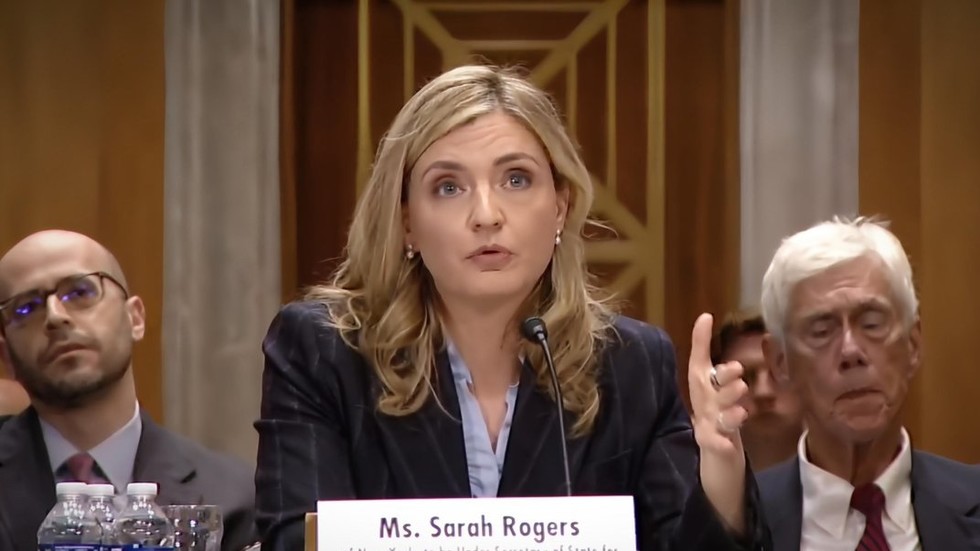
The U.S. government has imposed sanctions on several European individuals, citing concerns about the erosion of free speech and the competitiveness of the American technology sector. U.S. Undersecretary of State Sarah Rogers said the measures are intended to protect American businesses and viewpoints from what she described as “extraterritorial censorship.” The sanctions target five people—including a Briton, a German, and former EU officials—accused of leading efforts to pressure American platforms into suppressing certain viewpoints.
The move has ignited a heated debate between the United States and the European Union over online speech regulation, digital platform governance, and the reach of national laws beyond their borders. While the EU has been pushing for stricter regulations on online content, the United States has advocated a more laissez‑faire approach. The dispute is amplified by the EU’s Digital Services Act, which has already resulted in fines for companies such as X, owned by Elon Musk, for alleged transparency violations. Musk welcomed the U.S. sanctions, calling them “so great,” whereas French President Emmanuel Macron accused Washington of “coercion and intimidation.” UK Labour MP Chi Onwurah also criticized the sanctions, arguing that banning individuals over speech disputes undermines the free‑speech principles the U.S. administration claims to defend.
The rift reflects a deeper divide over the role of government in regulating online content. The U.S. National Security Strategy warns that the EU’s approach could lead to “civilizational erasure” through curbs on free speech, suppression of political opposition, and regulatory pressure on innovation. The sanctions have raised concerns about their impact on international relations and the potential for retaliation. The EU has not yet responded officially, but further tensions between the two blocs appear likely.
As the debate over online governance continues, it remains uncertain how the United States and the European Union will navigate their differences and strike a balance between protecting free speech and regulating online content.




Comments are closed for this story.