
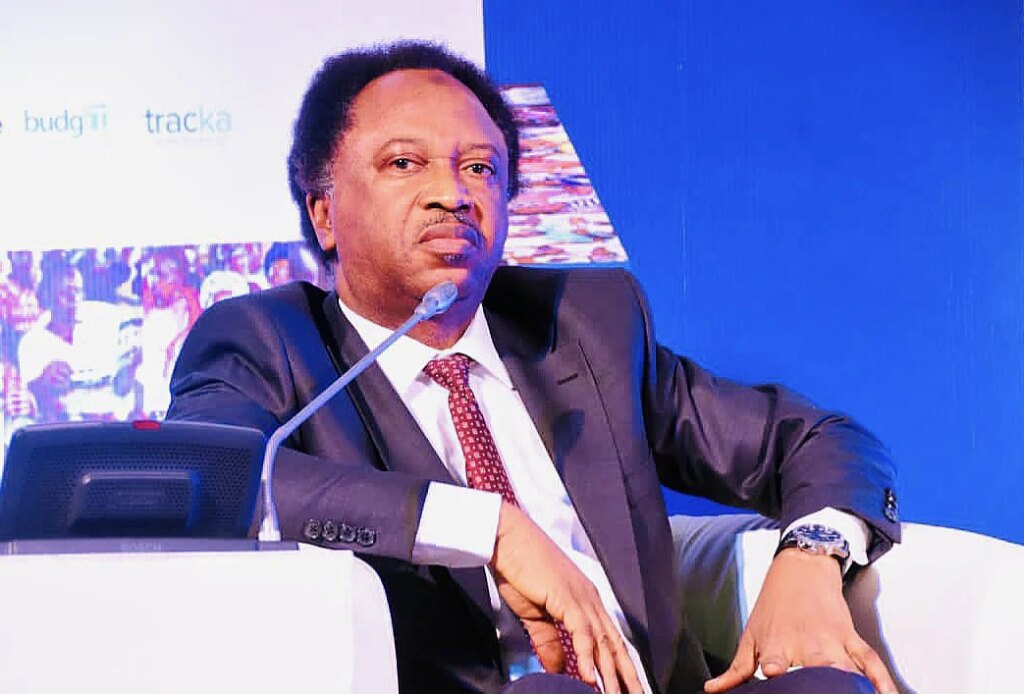
Former Nigerian Senator Shehu Sani has criticized the United States government’s partial travel ban on Nigerian citizens, which was imposed during the presidency of Donald Trump. In a recent statement, Sani urged the US to reconsider its policy and allow Nigerians to travel freely to the country. He argued that restricting travel while claiming to protect Nigerians is inconsistent, stating that true affection and protection should be demonstrated through unrestricted access. The US had introduced a partial travel ban on Nigeria in an effort to strengthen its immigration policies. This move was part of a broader strategy aimed at enhancing national security and enforcing stricter immigration controls. The ban was implemented during Trump’s presidency, sparking debate and discussion about its implications for Nigerian citizens wishing to travel to the US. In a separate development, the US military, under the orders of President Trump, conducted an airstrike targeting terrorist enclaves in Nigeria’s North-West region on Christmas Day. This move was seen as part of the US’s counter-terrorism efforts in the region. Sani’s comments come as he references the views of another public figure, Sowore, on the matter, describing them as logical and rational. The former senator’s statement highlights the complexities of international relations and immigration policies, particularly in the context of national security and counter-terrorism efforts. The travel ban and the airstrike are indicative of the multifaceted nature of US-Nigeria relations, which involve cooperation on security matters as well as disagreements on immigration policies. As the international community continues to navigate these complex issues, the implications of such policies on global relations and national security remain a subject of discussion and analysis. The situation underscores the need for ongoing dialogue and cooperation between nations to address shared challenges while respecting the sovereignty and interests of individual countries.
Metro News Africa
2 min read
Trump Faces Backlash Over Nigeria Travel Ban
Former Nigerian Senator Shehu Sani has criticized the United States government’s partial travel ban on Nigerian citizens, which was imposed […]
More stories like this

Metro News Africa
Red Card Frenzy: Mexico Dominates South Africa in World Cup Opener

Metro News Africa
Africa: Not Poor, But Systematically Drained by Global Debt
Metro News Africa
Nigeria’s Oil Paradox: From Resource Curse to Green Opportunity
Metro News Africa
Comments are closed for this story.