
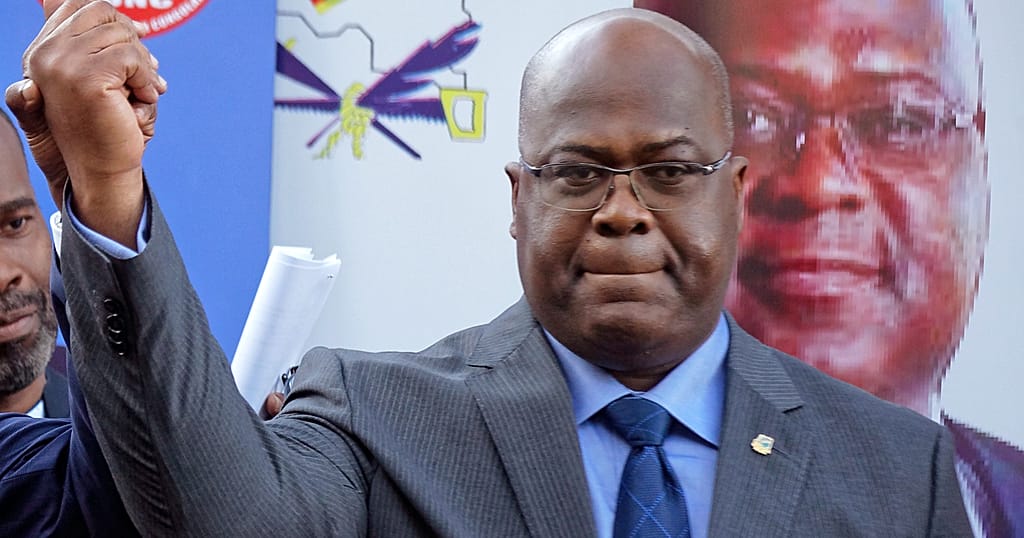
The Democratic Republic of Congo is caught in a growing controversy over the government’s perceived tolerance of anti‑Tutsi rhetoric. A recent meeting on December 22 between President Félix Tshisekedi and two Congolese expatriates, Jean‑Claude Mubenga and Kalonji Kabamba wa Mulumba, has drawn sharp criticism. Although the talks were said to focus on national unity and sovereignty, critics argue that the meeting sent a misguided message.
The controversy deepened when Mubenga posted inflammatory content online the following day, using dehumanising language and praising armed groups accused of targeting Kinyarwanda‑speaking civilians. This incident has raised concerns about the spread of hate speech and the potential for violence against the Tutsi ethnic group.
In a separate case, Major General Sylvain Ekenge, the army spokesperson, was suspended after making remarks about Tutsi women. The army condemned the comments as discriminatory and emphasized that they do not reflect the positions of the government, the military command, or President Tshisekedi. According to the army, the remarks were made in a personal capacity.
The Tutsi community, present in both Rwanda and eastern Congo, has been at the centre of decades of conflict and strained relations between the DRC and Rwanda. The current controversy highlights ongoing tensions and underscores the need for the government to address anti‑Tutsi rhetoric. The suspension of Major General Ekenge and the criticism of President Tshisekedi’s meeting with the expatriates indicate mounting pressure on the government to adopt a stronger stance against hate speech and discrimination.
As the situation unfolds, it remains to be seen how the government will respond to the concerns of the Tutsi community and promote national unity. The international community will be watching closely as the DRC seeks to balance its relationships with neighbouring countries and tackle the complex issues surrounding ethnic tensions.



Comments are closed for this story.