
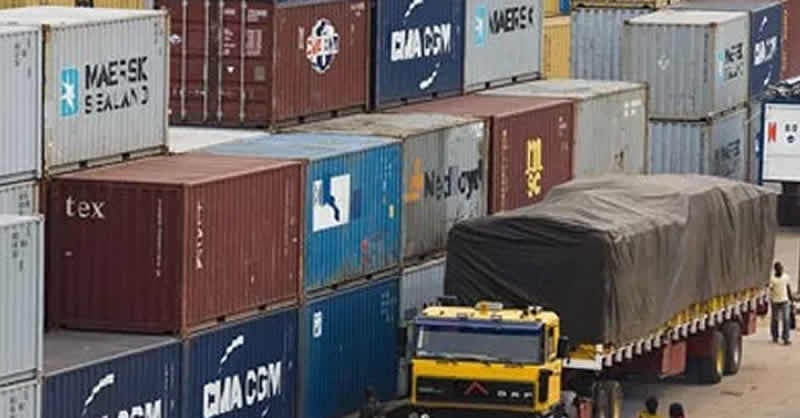
Clearing cargo in Nigeria remains a challenging and costly process, hindered by various bottlenecks and the country’s reputation for having some of the most expensive ports in the sub-region. To stay competitive, clearing agents and importers must adopt more efficient and strategic methods to reduce costs while ensuring timely cargo delivery. Through innovation, improved processes, and reduced waste, operators can alleviate their financial burden.
The difficulty and high cost of clearing goods at Nigerian ports necessitate proactive measures from operators, including licensed agents and their importers, to think creatively about reducing costs without compromising on timely cargo clearance. One effective strategy is the adoption of digital documentation, which reduces the need for printing forms and minimizes costs associated with paper, courier services, and storage. The Nigeria Customs Service has made significant efforts in modernizing its processes, including the introduction of digital solutions like B’Odogwu, which enhances port operations.
Sharing office spaces is another cost-saving measure, as renting full offices in strategic but expensive locations like Apapa, Tincan, or Ports & Terminal Multiservice Limited may not be necessary. Instead, opting for co-working spaces or smaller shared offices near port corridors can help reduce expenses. Outsourcing non-core tasks can also be beneficial, especially for smaller businesses or those just starting out, as hiring temporary workers during peak periods can be more cost-effective than maintaining a large permanent staff.
Accurate documentation is crucial in cargo clearance, as errors can lead to significant financial losses. Proper classification and thorough documentation help prevent demurrage, storage fines, repining fees, and quay rent. Optimizing duty payments is also essential, and this can be achieved by applying the correct Harmonised System codes, which determine the duty payable on imported goods. Additionally, freight forwarders must be aware of available duty exemptions, waivers, and concessions that may apply to specific goods or import categories.
Choosing cheaper terminals and shipping lines can also minimize costs. Certain terminals offer reduced handling charges, lower terminal delivery order fees, and more competitive storage rates. Pre-clearing cargo before arrival is another effective strategy, as it enables agents to manage documentation and administrative requirements more efficiently, reducing congestion and streamlining operations at the port.
Tracking plays a critical role in ensuring efficient cargo clearance, allowing agents to monitor vessel departures, arrivals, and locations during transit. This information is essential for proper planning, enabling agents to coordinate operations, allocate resources, and prepare documentation ahead of time. Negotiating bulk discounts with shipping lines and haulage companies can also lead to significant cost savings, especially for agents handling large volumes of cargo.
Partnering with other agents through container groupage, where two or more importers combine their shipments into a single container and share duties proportionally, can also achieve greater efficiency and lower overheads. Return-trip trucking, where trucks are utilized for cargo on their return journey, can maximize fleet utilization while lowering transport costs. Implementing GPS tracking for fleets can prevent fuel theft, unauthorized route changes, and driver downtime, resulting in significant savings.
Strengthening internal controls, such as maintaining proper bookkeeping, monitoring cash payments, and utilizing reliable accounting software, can help prevent financial losses and fraud. Insisting on deposits before starting work can also safeguard finances and minimize risks. Maintaining good communication with clients and relevant government agencies is essential to stay updated on policy changes and reduce disputes.
By adopting these strategies, Nigerian clearing agents can reduce operational costs, enhance efficiency, and improve service quality. Digitization, accurate documentation, and efficient logistics can streamline workflows, minimize paperwork, and prevent unnecessary expenditures. Continuous training and mastery of customs procedures, HS classification, and valuation rules can also reduce mistakes, lower costs, and speed up clearance.