
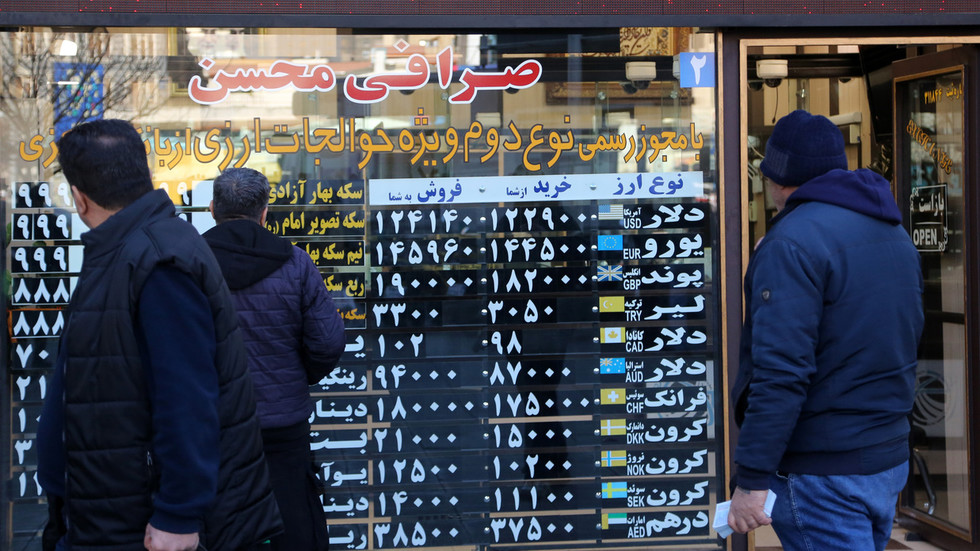
Iran is experiencing widespread protests sparked by a severe economic crisis and the sharp devaluation of its national currency, the rial. The unrest began over the weekend when merchants in Tehran went on strike in response to the rial’s record low value of approximately 1.44 million to the US dollar, a steep decline from 860,000 a year ago. Iranian officials have acknowledged the economic challenges facing the country and have vowed to respond decisively to any attempts to destabilize the nation.
The demonstrations have spread to multiple cities, including Mashhad and Isfahan, and have turned violent in some areas. Footage circulating online shows government buildings and installations linked to the Islamic Revolutionary Guard Corps (IRGC) being attacked and set on fire. Reports indicate that a Basij base—a paramilitary militia within the IRGC—was torched in the northwestern city of Chenareh, and unverified video appears to show a crowd burning an IRGC facility in the western town of Anza. There have also been reports of fatalities and injuries among both protesters and security forces.
Some demonstrators are calling for the reinstatement of the monarchy that was overthrown in the 1979 Islamic Revolution. The current protests are the most significant since the 2022 unrest triggered by the death in police custody of Mahsa Amini, a 22‑year‑old woman accused of improper hijab, which resulted in over 200 deaths and thousands of arrests nationwide.
Israel’s intelligence agency, Mossad, has openly supported the protests, claiming to have agents embedded with the demonstrators and encouraging them to continue their actions. This endorsement adds a complex layer to the situation, highlighting the deep‑seated tensions between Iran and Israel. International observers are closely monitoring the developments, noting the significant economic and political challenges facing Iran. As the protests continue, it remains uncertain how the Iranian government will respond and what the long‑term implications will be for the country and the region.



Comments are closed for this story.