
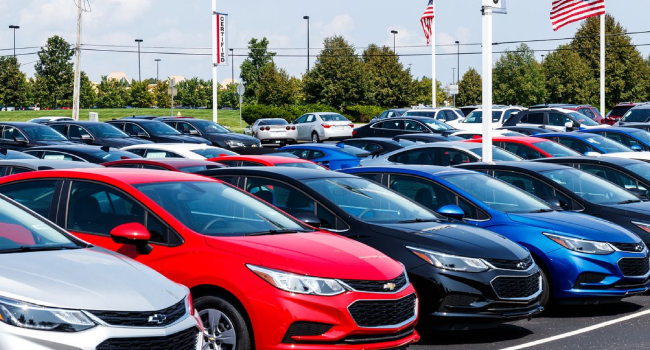
US car sales are expected to moderate in 2026 after a surge in 2025, driven by trade announcements and environmental policy changes. Analysts attribute the 2025 increase to President Donald Trump’s early‑year announcement of large tariff hikes, which sparked a noticeable spring sales surge. Although the president later struck deals that softened the levies, the initial headlines had already boosted sales.
The US auto market recorded a 2 % rise in 2025, with 16.3 million vehicles sold, according to Edmunds.com. Ford performed particularly well, delivering 2.2 million vehicles—up 6 % from 2024. However, industry insiders anticipate a modest pullback in 2026, citing tepid consumer confidence and a slowing job market.
The new‑car market is heavily affected by the split‑screen nature of the US economy. Wealthier households benefit from record stock‑market gains, while working‑class consumers grapple with rising prices. Average transaction prices for new autos have approached $50,000, up from under $35,000 less than a decade ago, making new cars out of reach for lower‑income shoppers. Economists describe this divergence as a “K‑shaped” recovery.
Pricing remains a wildcard heading into 2026. Automakers face billions of dollars in added costs from tariffs but are reluctant to pass them on fully because retail prices are already high. Instead, they have increased delivery fees, reduced incentives, or stripped away features that were once standard—a phenomenon known as “shrinkflation,” which delivers less value to consumers. This environment is especially challenging for first‑time buyers, who are being pushed toward the used‑car market due to a lack of affordable new models.
With the Trump administration set to negotiate a new version of the USMCA trade agreement with Canada and Mexico later this year, significant tariff changes could affect prices. Nonetheless, analysts believe that car buyers will be less attuned to tariffs in 2026, as the issue fades from prominence.
Overall, the US auto industry is expected to experience a moderate decline in sales in 2026 as the market adjusts to higher prices and shifting consumer behavior. As the industry navigates this challenging landscape, it remains to be seen how automakers will balance profitability with the need to make cars more affordable for consumers.




Comments are closed for this story.