
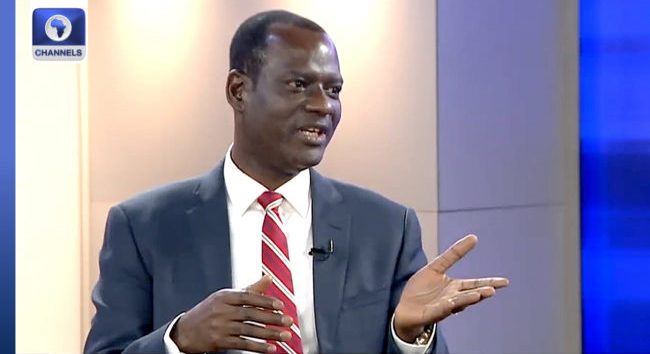
Nigeria’s Presidential Fiscal Policy and Tax Reforms Committee has issued a clarification on the country’s newly gazetted tax laws, following concerns raised by KPMG Nigeria. The committee’s chairman, Taiwo Oyedele, addressed potential errors, gaps, and inconsistencies in the tax laws, which were flagged in a report by KPMG Nigeria. The report had highlighted issues with taxation of shares, dividend treatment, non-resident obligations, and foreign exchange deductions, warning that these could impact businesses and taxpayers.
Oyedele stated that most of the issues raised by KPMG were due to a misunderstanding of policy objectives or disagreements with deliberate reform choices. He acknowledged that some points raised by the tax firm were useful, particularly those related to implementation risks and clerical issues. However, the committee noted that the majority of the report mischaracterized the objectives and structure of the new tax framework.
The committee provided detailed clarifications on key provisions, including taxation of shares and the stock market. The framework is designed to reduce taxation from 0% to a maximum of 30%, with 99% of investors entitled to unconditional exemption. Oyedele also addressed concerns over dividend taxation, non-resident obligations, and indirect transfer of shares.
The committee emphasized that the tax reform represents a significant step towards creating a self-sustaining and competitive economy in Nigeria. Oyedele urged stakeholders to shift from criticism to dynamic engagement to support effective implementation of the new tax laws. The committee is already working to address minor clerical inconsistencies and cross-referencing gaps through administrative guidance and regulations.
The clarification comes as Nigeria continues to implement its tax reform agenda, aimed at improving revenue generation and promoting economic growth. The new tax laws are designed to align with global best practices and international initiatives, such as the Base Erosion and Profit Shifting (BEPS) project. As the country moves forward with the implementation of the new tax framework, stakeholders will be closely watching to see how the reforms impact businesses and taxpayers.




Comments are closed for this story.