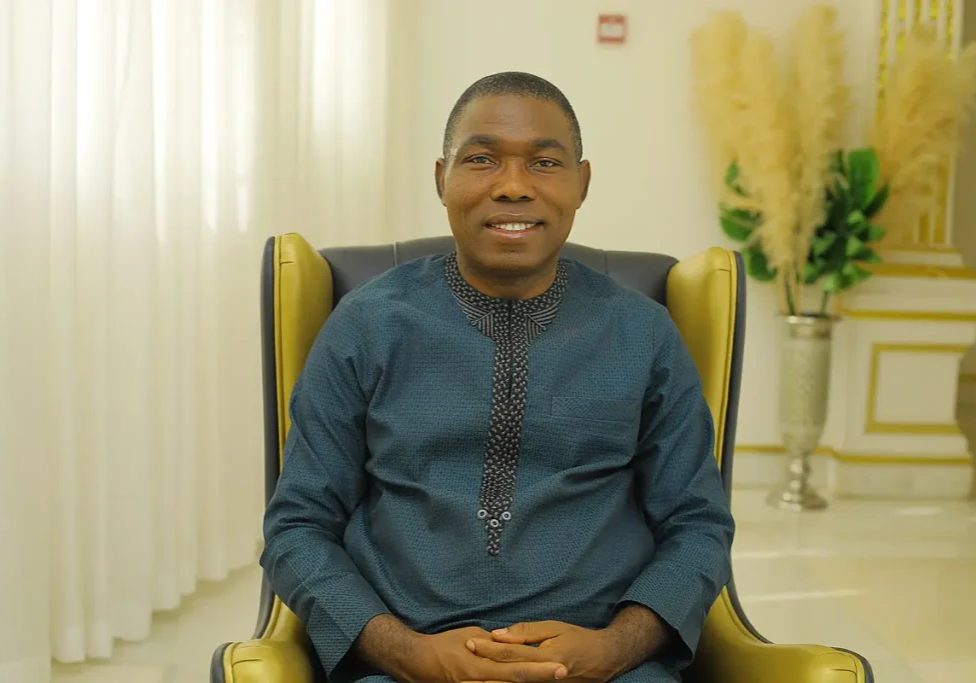
A Nigerian expert in autism and neurodiversity advocacy, Boluwatife Ayanwole, has emphasized the need for a significant cultural shift in understanding autism in Africa. Speaking at the International Neurodiversity Conference 2026 webinar in Dubai, Ayanwole urged governments and societies to move beyond stigma and myths surrounding autism, focusing instead on providing functional support, inclusion, and empowerment for individuals with neurodiverse conditions.
Ayanwole stressed that autism should be understood as a complex condition influenced by neurological, psychological, and environmental factors, rather than being defined solely by its signs and symptoms. He highlighted the importance of establishing public autism centers across Africa to provide affordable diagnosis, therapy, skills training, and creative empowerment, particularly for low-income families.
The expert also expressed concern over the commercialization of autism by some therapists, emphasizing that functionality, independence, and humanity should take precedence over profit. Ayanwole noted that early signs of autism in children can be detected as early as two years old, including pragmatic language impairments, repetitive behaviors, and social communication challenges.
He emphasized the crucial role of families in supporting children with autism, urging parents to be their child’s voice and advocate. Ayanwole also called on society to prioritize empathy, acceptance, inclusion, and empowerment of individuals on the autism spectrum, focusing on their strengths and potential for self-independence and societal relevance.
In Nigeria, Ayanwole recommended that the government establish public autism centers to provide accessible therapy and support to those who cannot afford it. He emphasized that understanding autism requires showing empathy rather than sympathy, and embarking on functional skills development for self-independence and societal relevance.
The International Neurodiversity Conference 2026 webinar provided a platform for experts and advocates to discuss the latest developments and challenges in neurodiversity, with a focus on promoting inclusion and empowerment of individuals with neurodiverse conditions. As the conversation around autism and neurodiversity continues to grow, experts like Ayanwole are pushing for a more nuanced understanding of these conditions, one that prioritizes functionality, independence, and humanity.