Nigeria’s Financial Intelligence Unit Commends Inter-Agency Collaboration Following Exit from FATF Grey List
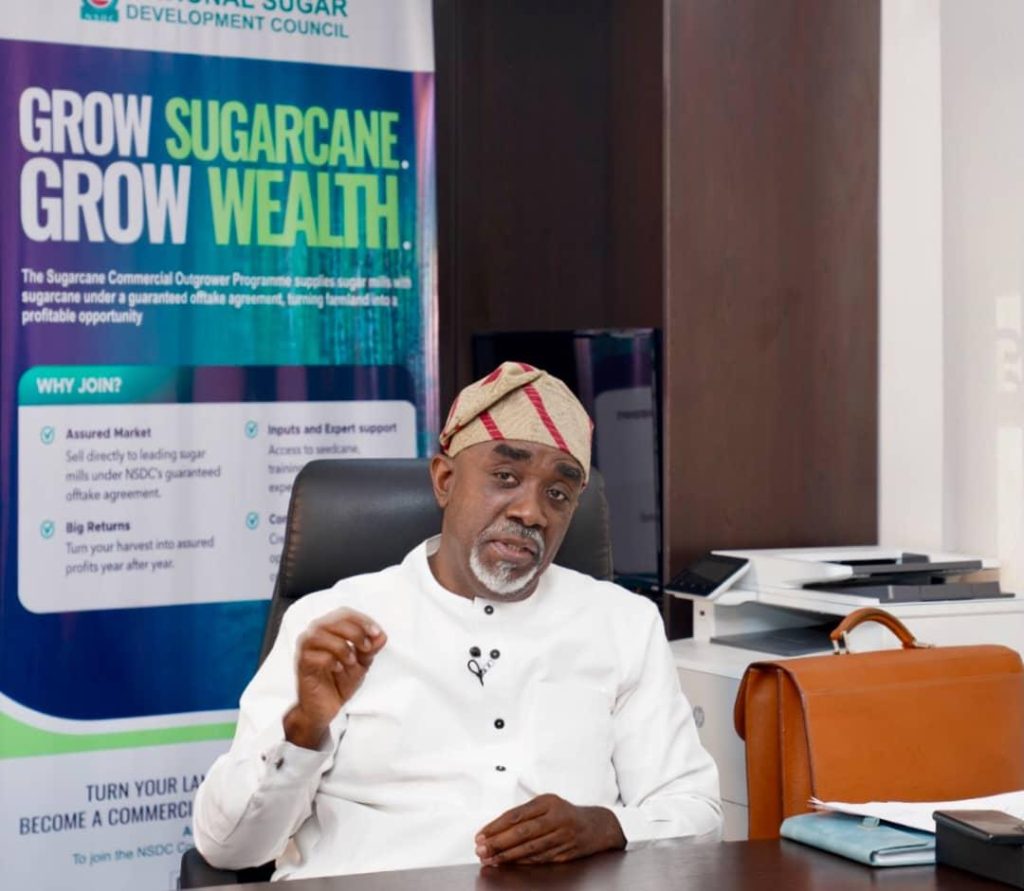
The Nigerian Financial Intelligence Unit (NFIU) has lauded the sustained collaboration and reforms that led to the country’s removal from the Financial Action Task Force (FATF) grey list. In a statement issued in Abuja, NFIU Chief Executive Officer Hafsat Bakari noted that this development is a significant milestone in Nigeria’s financial integrity reform journey. The country’s exit from the grey list is a testament to the effectiveness of the collective efforts made by government institutions, the private sector, and civil society to strengthen its anti-money laundering and counter-terrorism financing framework.
Nigeria was removed from the FATF grey list in October, and its removal from the European Union’s (EU) high-risk list is expected by the end of January 2026. According to Bakari, this achievement demonstrates the credibility and sustainability of the reforms implemented by the country. The NFIU CEO attributed the success to President Bola Tinubu’s leadership and the support of key ministers overseeing justice, finance, interior, and economic coordination. She also highlighted the improved security coordination under the Office of the National Security Adviser, particularly in the area of terrorism financing.
The successful delisting is a result of the strengthened supervision, investigations, and prosecutions across financial and non-financial sectors by regulators, law enforcement agencies, and border authorities. Bakari emphasized that the reforms have been driven by cooperation among government institutions, the private sector, and civil society since 2023. The NFIU CEO pledged continued vigilance ahead of the next mutual evaluation, stating that the successful delisting shows that Nigeria’s reforms are “deep, credible, and sustainable.”
The removal from the FATF grey list and the expected delisting from the EU’s high-risk list mark a significant step forward for Nigeria’s financial integrity. The country’s efforts to strengthen its anti-money laundering and counter-terrorism financing framework are critical to its economic development and international cooperation. As Nigeria continues to implement its reforms, it is essential to maintain the momentum and ensure that the country remains committed to upholding the highest standards of financial integrity.