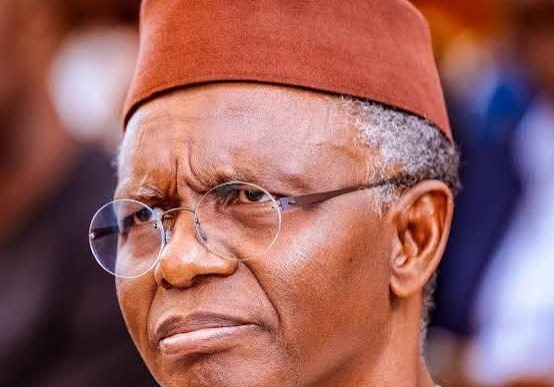
A federal lawmaker from Nigeria, Tijjani Abdulkadir Jobe, has officially resigned from the New Nigeria Peoples Party (NNPP). Jobe, who represents the Tofa/Dawakin Tofa/Rimin Gado Federal Constituency of Kano State in the House of Representatives, submitted his resignation letter on January 23, 2026. The letter, addressed to the NNPP Chairman of Mobe Ward in Tofa Local Government Area, cited deepening internal divisions and persistent court cases as reasons for his decision.
According to the resignation letter, which was sent through the party secretary in Jobe Ward, Jobe’s decision to withdraw his membership from the party takes immediate effect. This development comes on the heels of a similar move by the Governor of Kano State, Abba Kabir Yusuf, who also recently resigned from the NNPP. Jobe was elected to the House of Representatives on the platform of the NNPP, and his resignation may have significant implications for the party’s representation in the state.
The internal divisions and court cases within the NNPP have been a persistent issue, undermining peace and unity within the party. Jobe’s resignation highlights the challenges facing the party, which has been struggling to maintain cohesion at both the state and national levels. The move may also have implications for the party’s future electoral prospects in Kano State.
The NNPP has been one of the prominent parties in Nigerian politics, and the resignation of key figures like Jobe and Governor Yusuf may signal a significant shift in the party’s fortunes. As the political landscape in Nigeria continues to evolve, the NNPP will need to address its internal challenges to remain a viable force in the country’s politics.
Jobe’s resignation has sparked interest in the political circles, with many waiting to see how the NNPP will respond to the development. The party will likely need to work to rebuild its structures and reassure its members to prevent further defections. The resignation also raises questions about the future of the party in Kano State, where it has a significant following. As the situation unfolds, it remains to be seen how the NNPP will navigate its current challenges and maintain its relevance in Nigerian politics.