The Federal Government of Nigeria has introduced the World Bank-assisted Human Capital Opportunities for Prosperity and Equity–Governance (HOPE-GOV) programme, aimed at driving lasting reforms in budgeting and expenditure management across the country’s primary healthcare and basic education sectors. The programme focuses on institutional reforms rather than direct cash disbursement, with incentives strictly linked to measurable results achieved by implementing agencies, including state governments.
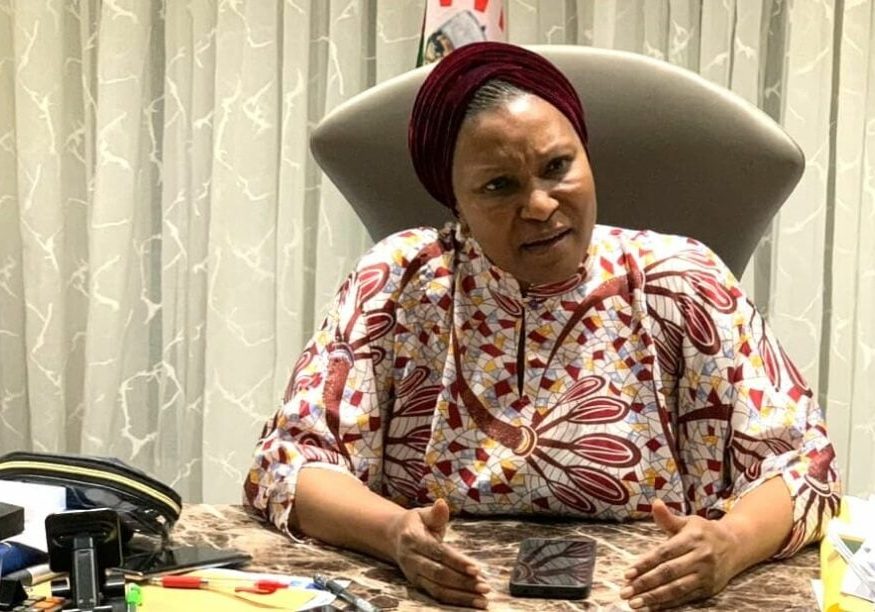
According to the National Coordinator of the HOPE-GOV Programme, Assad Hassan, the initiative is designed to achieve reforms in the health and education sectors. “It’s not just about dishing out money, but about achieving reforms,” he said. The programme covers key implementing institutions at both federal and state levels, including state governments, the Basic Health Care Provision Fund Ministerial Oversight Committee Secretariat, and the Universal Basic Education Commission.
The HOPE-GOV programme is a $500m Programme-for-Results package, with disbursements tied to the achievement of agreed outcomes. The programme’s results areas include increased availability and effectiveness of financing for basic education and primary healthcare, enhanced transparency and accountability in sector financing, and improved recruitment, deployment, and performance management of teachers and primary healthcare workers.
To ensure the programme’s success, implementing agencies must publish International Public Sector Accounting Standards-compliant, audited financial statements on their official websites within prescribed timelines as a condition for disbursement. All 36 states of the federation and the Federal Capital Territory have signed on to participate in the programme.
The programme is part of the Federal Government’s broader effort to strengthen human capital development by enhancing governance, accountability, and service delivery in key social sectors. By linking funding to results rather than inputs, the programme aims to address long-standing inefficiencies in public spending on healthcare and education, particularly at sub-national levels.
The HOPE-GOV programme complements ongoing reforms under the Basic Health Care Provision Fund and the Universal Basic Education framework, which seek to ensure predictable financing, improved service delivery, and stronger oversight across Nigeria’s social sectors. The programme’s implementation is expected to have a significant impact on the country’s human capital development, and its success will depend on the collaboration and commitment of all implementing agencies.