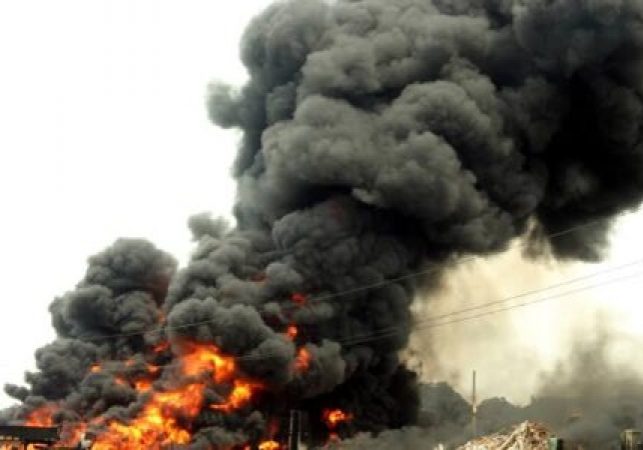
The Nigeria National Grid has experienced its second collapse in 2026, resulting in zero megawatts of power supply to the 11 electricity distribution companies. This incident occurred just four days after the first collapse and weeks after a similar event on December 29, 2025, which caused widespread power outages across the country. As of the time of reporting, all 23 power generation plants connected to the grid had lost output, leading to zero power allocation to each of the distribution companies.
The grid collapse has been attributed to a combination of technical faults, inadequate maintenance of transmission lines, and fluctuations in generation capacity. The Nigeria National Grid has listed metering and grid expansion as part of the long-term solutions to the constant system collapse. Metering is seen as a critical foundation for improved supply, as it allows distribution companies to be properly paid for the electricity actually consumed, thereby improving their revenues.
Former Labour Party presidential candidate, Peter Obi, has condemned the grid’s 5,000MW capacity, describing it as a continuation of a deepening national crisis. Obi noted that Nigeria has remained at the bottom of global rankings for access to electricity for three consecutive years, with nearly 100 million citizens left without power. He compared Nigeria’s power generation capacity to that of other African countries, highlighting the significant gap. South Africa, with a population of about 64 million, generates and distributes over 40,000 megawatts, while Egypt and Algeria generate over 40,000 and 50,000 megawatts, respectively.
The persistent power crisis in Nigeria is rooted in governance failures, according to Obi, who stressed that the sector requires capable leadership to function effectively. The Nigeria National Grid currently generates about 5,000MW, although it has the capacity to generate up to 12,000MW. Experts have noted that the country requires well over 30,000MW to attain power supply sufficiency for its population of over 240 million. The grid collapse has significant implications for the country’s productivity and economic growth, highlighting the need for urgent attention to the power sector.