
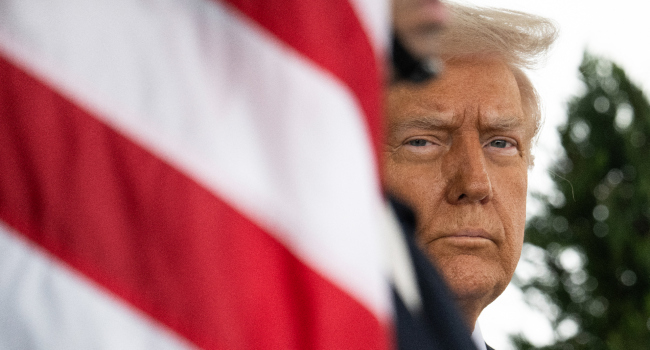
South Korea’s government held emergency talks on Tuesday after US President Donald Trump announced plans to raise tariffs on South Korean goods, including autos, lumber, and pharmaceuticals. Trump stated that he would increase tariffs from 15% to 25% due to South Korea’s alleged failure to implement a trade agreement struck with Washington. The South Korean presidential office claimed it had not received prior notification of the tariff hike plans.
The trade agreement, finalized in October after Trump met with his South Korean counterpart Lee Jae Myung, included investment promises by South Korea and tariff cuts by the United States. However, the deal has remained in a state of limbo in South Korea, with the presidential office insisting it does not require parliamentary approval.
The proposed tariff increase would significantly impact South Korea’s auto industry, which accounts for 27% of the country’s exports to the United States. A reversal to a higher tariff level could also put South Korean exports at a disadvantage compared to economies like Japan and the European Union, which have secured 15% US tariffs.
Seoul has expressed its commitment to implementing the tariff agreement and responding to the situation in a calm and measured manner. Trade Minister Kim Jung-kwan is set to travel to Washington for talks with US Commerce Secretary Howard Lutnick. The South Korean government believes that Washington’s tariff hikes can only take effect after administrative steps, such as publication in the Federal Register.
This development marks the latest in a series of trade tensions between the US and its key partners. Trump recently warned Canada that he would impose a 100% tariff on all goods if it concludes a trade deal with China. Earlier in January, he threatened to slap tariffs on multiple European nations, but has since backed off the threat.
The situation highlights the ongoing uncertainty surrounding global trade agreements and the potential consequences of protectionist policies. As the US and South Korea navigate this challenge, the international community will be closely watching the outcome and its potential impact on the global economy.

Comments are closed for this story.