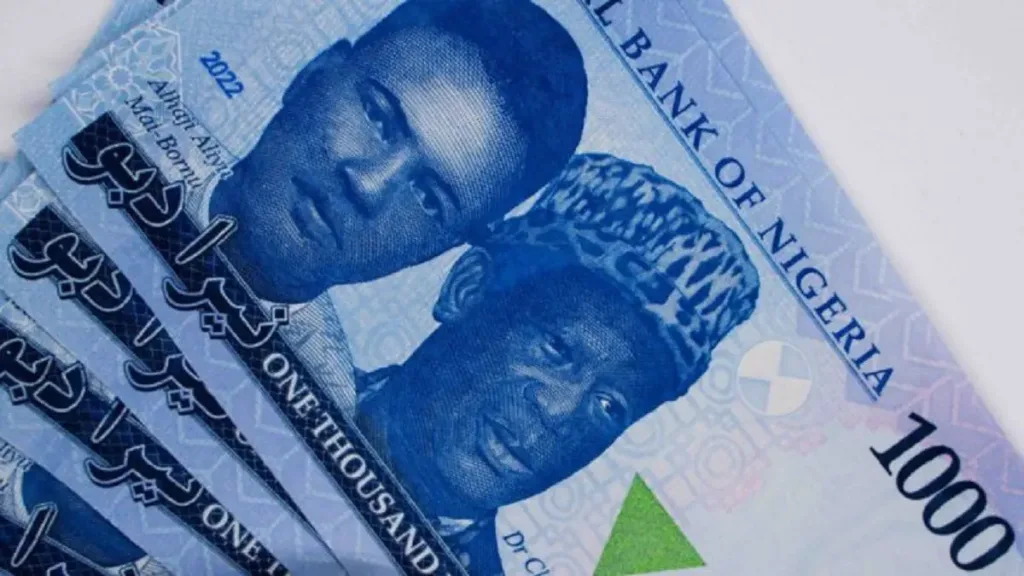
The Nigerian naira slipped further against the U.S. dollar on Tuesday, marking another day of depreciation in the official foreign‑exchange market. According to data released by the Central Bank of Nigeria (CBN), the official rate moved to N1,375.62 per dollar, up from N1,373.16 the previous day – a modest decline of N2.46.
In the parallel unofficial market, the rate held steady at N1,395 per dollar, unchanged from Monday’s level. The divergence between the official and black‑market rates continues to reflect ongoing market pressures despite a recent increase in the country’s foreign‑exchange reserves. CBN figures show that reserves rose to $48.45 billion as of 11 May 2026.
The naira’s slide follows a broader trend of weakening that has persisted throughout the year. On Monday, the currency fell by N11.77 per dollar, a larger single‑day move that underscored the volatility faced by importers, businesses and consumers. The modest gain on Tuesday may provide temporary relief, but the underlying dynamics – limited dollar liquidity, high demand for foreign currency and structural challenges in the economy – suggest that the pressure on the local currency is unlikely to ease soon.
Analysts note that the CBN’s recent reserve build‑up, driven by higher export earnings and tighter monetary policy, has not yet translated into a stronger naira at the official desk. While higher reserves give the central bank more room to intervene, the persistent gap between official and black‑market rates indicates that market participants remain cautious about the sustainability of any short‑term stabilisation.
The continued depreciation has practical implications for Nigerians. Import‑dependent sectors such as pharmaceuticals, food processing and manufacturing face higher costs, which are often passed on to consumers. Inflationary pressures already high in the economy could be amplified if the currency weakness persists. For investors and exporters, the exchange‑rate trend adds another layer of risk assessment when planning cross‑border transactions.
Looking ahead, market observers will watch for any policy signals from the CBN, including possible adjustments to the foreign‑exchange windows or further interventions aimed at narrowing the official‑black market spread. The central bank’s next quarterly reserve report, due later in the month, may also provide insight into the effectiveness of recent measures.
In the meantime, the naira’s trajectory remains a key barometer for Nigeria’s broader economic outlook. A sustained depreciation could prompt calls for deeper structural reforms, while any reversal would likely require a combination of improved foreign‑exchange inflows and reinforced confidence in monetary policy.