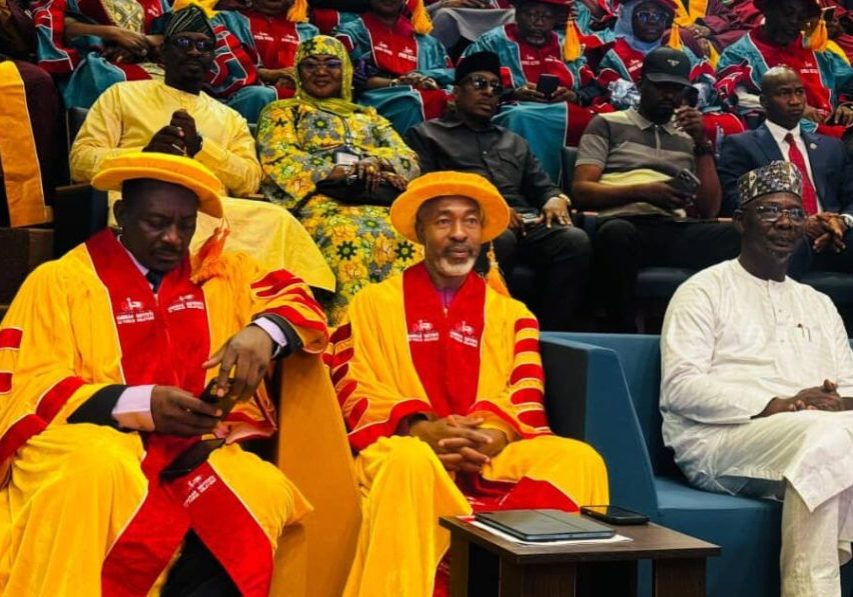
Etsako East Local Government Council in Edo State, Nigeria, has declared void the selection of former Senator Francis Alimikhena as the new Okumagbe (traditional ruler) of the Uwano Kingdom, citing a breach of a court-ordered suspension.
The decision, announced by Council Secretary Edward Imhanobe on behalf of Chairman Sunny Ekpeson, follows an alleged unauthorized election held on January 31, 2026. This election occurred despite a formal directive from the Council suspending the process pending the outcome of a related court case.
The Council’s letter, dated February 2, 2026, states that on January 30, it had officially informed the kingdom’s kingmakers—the Senior Ukpi Drummer of the Agiode Ruling House—to postpone the selection. This postponement was mandated after the Council received an originating summons from the Agenebode High Court (Reference No. HAG/3/2026) concerning the vacant stool. The Council expressed surprise that the kingmakers proceeded with the election and announced Alimikhena, a former Senator and Chief Whip of the 8th National Assembly, as the winner.
The letter reaffirms the Council’s commitment to the rule of law, stating it “will neither condone nor participate in any action that amounts to disobedience of court processes.” Consequently, it declared it cannot validate any election not authorized, monitored, or supervised by it. The Council has directed the Uwano Clan and the public to refrain from all actions regarding the vacant stool and await the court’s ruling and subsequent government directives.
The vacancy arose after Edo State Governor Monday Okpebholo dethroned the previous Okumagbe, Dr. George Egabor, on April 30, 2025. The dethronement was attributed to alleged security lapses, including kidnappings and killings, within the kingdom. The Local Government had earlier, on January 27, 2026, initiated the process to fill the vacant stool, setting the election for January 31 before the court intervention.
The nullification places the succession process in legal limbo. The next steps depend entirely on the resolution of the High Court suit, which brought the initial suspension. The Council’s stance underscores the primacy of judicial processes in traditional ruler selections within the local government area.