
The Senior Special Assistant on Media to the Delta State Governor, Ossai Ovie, has publicly criticised the fashion choices of Nigerian attendees at the recent 68th Grammy Awards, stating they failed to represent Nigerian culture appropriately at the global event.
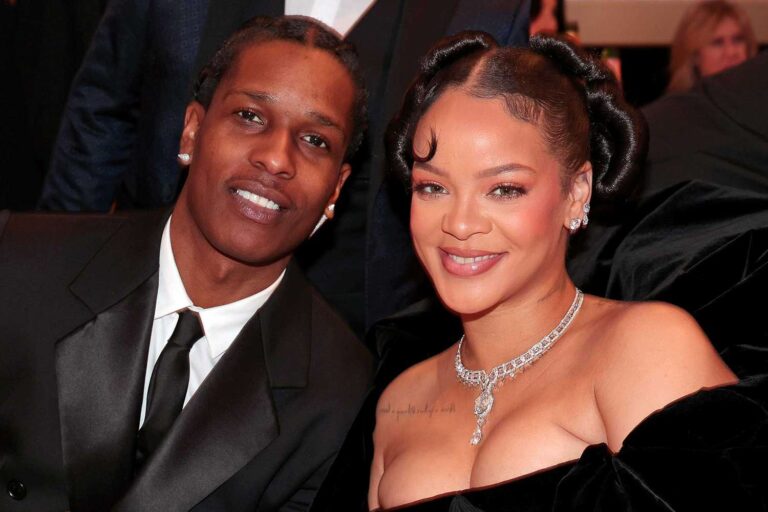
In a social media post, Ovie expressed specific disapproval of an outfit worn by Chioma Adeleke, the wife of Nigerian music star Davido. He described the attire as inappropriate and inconsistent with Nigerian cultural values, labelling it as a revealing “half-naked” Western style that did not project the nation’s identity.
“I am disappointed in Chioma Davido’s dressing. She shouldn’t have been half-naked to Grammy,” Ovie wrote. He added that “She didn’t represent Nigerian culture well,” emphasising that “Cultural representation matters, and it’s crucial.”
The aide also held Davido responsible, stating, “I am disappointed in Davido for allowing her to dress this way.” His comments frame the discussion around the attire not as a personal choice but as a matter of national cultural diplomacy.
The 68th Grammy Awards, held in Los Angeles, serve as one of the most-watched global platforms for music and fashion. Nigerian artists, including several nominated and performing, often face scrutiny for how they present national and pan-African aesthetics on this international stage. Ovie’s position within the Delta State government lends a political dimension to the critique, highlighting the ongoing debate about cultural representation in diaspora settings.
Analysts note that such critiques often centre on the tension between personal expression, global fashion trends, and the desire to showcase distinct cultural heritage at high-profile events. The conversation touches on broader questions about how Nigerian artists balance contemporary styles with cultural symbolism when representing the nation abroad.
Ovie’s statements have ignited discussion on social media platforms regarding the parameters of cultural representation and who defines it. The incident underscores the persistent expectation for public figures from Nigeria to actively promote and preserve cultural narratives in their international appearances. The commentary suggests a continued emphasis on fashion as a vehicle for cultural messaging within certain Nigerian public discourse.


Comments are closed for this story.