
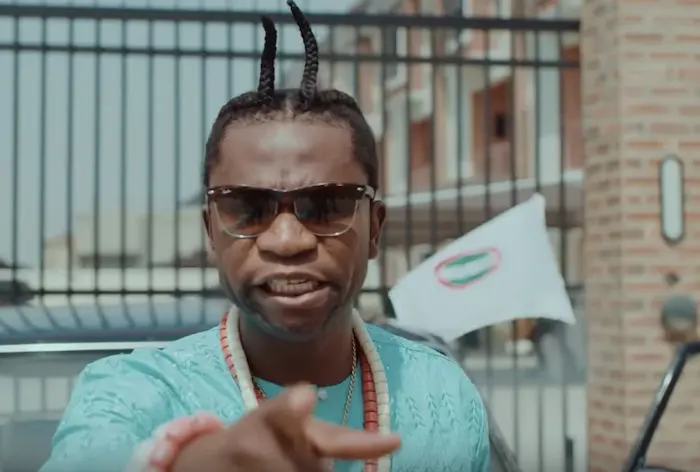
Controversial Nigerian vocalist Speed Darlington used his Instagram platform on Wednesday to denounce President Bola Tinubu’s bid for a second term, citing the country’s deteriorating economic conditions and rising insecurity.
In a video posted to his social‑media page, Darlington questioned the achievements of the Tinubu administration since it assumed office in May 2023. He criticized what he described as “policy failures,” “structural failures,” and “economic miscalculations,” arguing that these shortcomings have exacerbated Nigeria’s fiscal challenges and undermined public safety.
The singer asserted that a continuation of Tinubu’s leadership would be detrimental to Nigerians, describing a potential second term as “hell fire.” He specifically pointed to the removal of fuel subsidies shortly after Tinubu took office, stating that the decision “inflated fuel prices” and placed additional burdens on a population heavily dependent on petroleum. Darlington also accused the government of neglecting the country’s pervasive insecurity, suggesting that the administration has “not done anything about the rising insecurity across Nigeria.”
Darlington’s remarks reflect broader public discontent that has been voiced by opposition figures, civil‑society groups, and some business leaders since Tinubu’s inauguration. The presidency has faced criticism over inflation, foreign exchange shortages, and attacks by armed groups in the north‑east and other regions. Tinubu’s government has defended its policies, arguing that subsidy removal was necessary to address fiscal deficits and that security operations are ongoing.
The video has quickly garnered attention on social media, generating a mixture of support for Darlington’s stance and backlash from Tinubu supporters. Analysts note that celebrity commentary can amplify political debates, especially in a nation where social media plays a growing role in shaping public opinion.
No official response from the presidency has been released as of the time of writing. Tinubu’s campaign officials have previously emphasized the administration’s commitment to economic reform and security improvement, but have not addressed Darlington’s specific accusations.
As Nigeria approaches the 2027 presidential election, the exchange underscores the heightened scrutiny of the incumbent’s record and the intensity of the nation’s political discourse. Observers will watch how such high‑profile criticisms influence voter sentiment and whether they translate into tangible shifts in the electoral landscape.

Comments are closed for this story.