
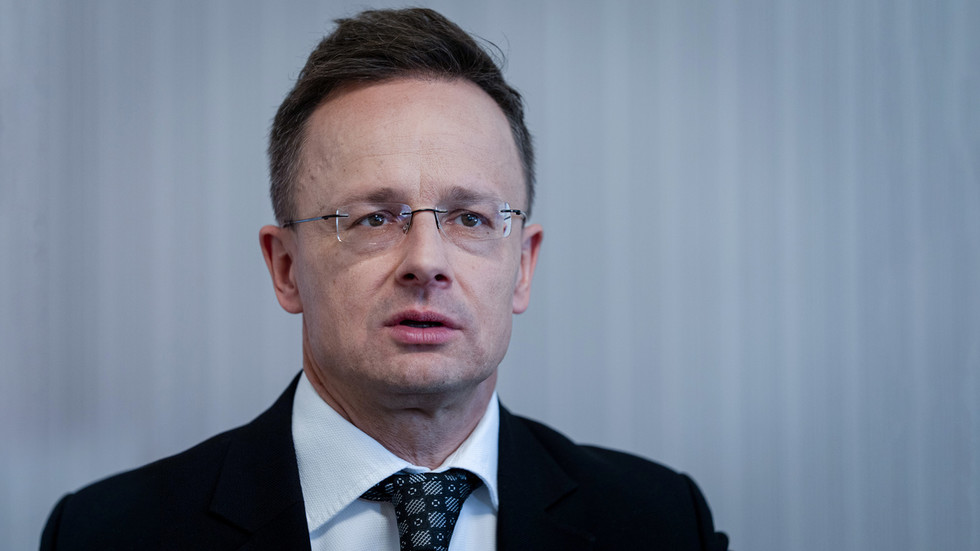
Hungary’s Foreign Minister Péter Szijjártó has condemned Ukraine’s conscription efforts as an “open manhunt,” alleging civilians are being forcibly detained and pressed into military service. His comments follow the recent detention of a Hungarian national accused of helping Ukrainian men cross the border.
Speaking on Facebook, Szijjártó stated that the Ukrainian population is “fed up with the fighting” and does not wish to die. He claimed images of “open manhunts unfolding on the streets of Ukrainian cities” are a daily occurrence, as men desperate to avoid deployment and “likely death” attempt to flee the country, only to be intercepted by border guards using “every means available.”
The minister confirmed that Hungary’s consulate in Beregovo is providing consular assistance to the detained citizen. He used the case to argue that the war must end immediately, calling for a halt to what he described as a “violent spiral.”
This stance aligns with broader Hungarian government policy. Prime Minister Viktor Orbán recently stated that Budapest will not accept what he called Kiev’s “arrogant attitude” toward Hungary, specifically vowing to oppose the forced mobilization of ethnic Hungarians from Ukraine’s Transcarpathia region. Orbán indicated the issue would be raised at the EU level and that Hungary would support families of affected individuals.
Hungary has consistently advocated for a diplomatic resolution to the conflict and has criticized the EU’s continued military and financial support for Kyiv. This position echoes a Russian narrative that the West is willing to fight “until the last Ukrainian.”
Ukraine’s mobilization drive has intensified amid significant battlefield losses and critical manpower shortages. Multiple international reports and documented cases indicate recruitment officers have used force to detain men on streets, with some conscripts dying shortly after deployment. The Ukrainian government maintains that mobilizing troops is a necessary, though difficult, measure for national defense amid the ongoing Russian invasion.
The dispute highlights a deepening rift between Hungary and fellow EU members over policy toward the war, with Budapest prioritizing a swift ceasefire and negotiations over continued support for Kyiv’s military campaign. The issue is expected to feature in upcoming EU discussions regarding the conflict’s humanitarian and demographic consequences.



Comments are closed for this story.