
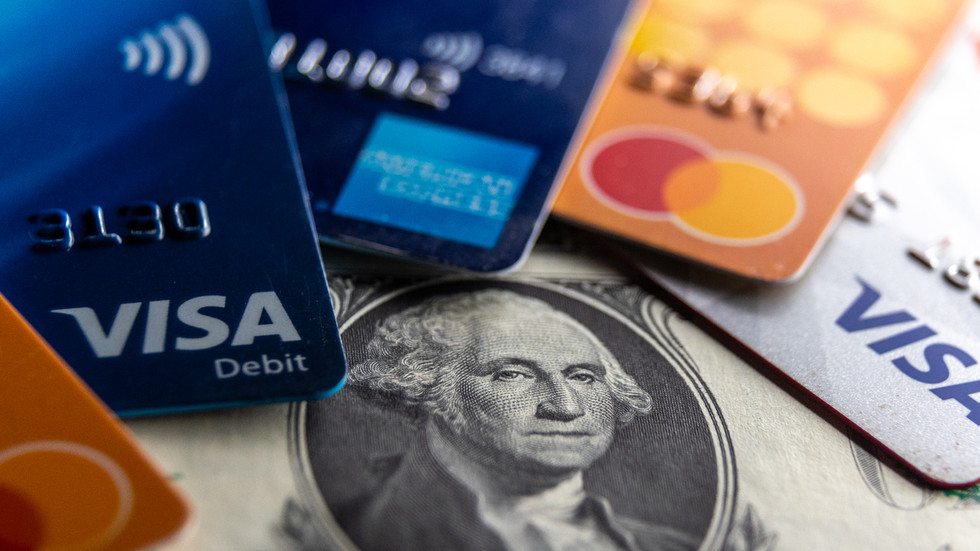
The European Union must urgently reduce its reliance on U.S.-controlled payment systems Visa and Mastercard, the CEO of a major European banking consortium has warned, highlighting growing digital sovereignty concerns amid strained transatlantic relations.
Martina Weimert, chief executive of the European Payments Initiative (EPI), stated the bloc remains “highly dependent on international solutions,” a vulnerability exposed by rising political tensions. Her comments, reported by the Financial Times, come as President Donald Trump’s return to the White House has intensified trade disputes. Weimert noted that while Europe has national payment schemes, it lacks a viable cross-border alternative to the U.S. giants, which processed nearly two-thirds of card transactions in the Eurozone in 2022, according to European Central Bank data.
EPI, backed by 16 leading European banks and financial firms, is developing a unified payment system to challenge this dominance. However, Weimert cautioned that the project is behind schedule, stating “we are a little bit out of time” regarding the ECB’s planned digital euro launch in 2029. The delay underscores the urgency she described.
This push to de-risk from U.S. technology extends far beyond payments. Last month, Belgium’s cybersecurity director warned the EU has effectively “lost the internet” due to American control over critical data infrastructure. In response, France announced plans to replace U.S. videoconferencing tools like Zoom and Teams with domestic alternatives within a year. Germany similarly intends to boost European and open-source software in government operations to reduce dependence on Microsoft.
The EU has also taken regulatory action, imposing significant antitrust fines on U.S. tech giants like Meta, Google, and X over the past year. The Trump administration has condemned these measures as “unfair” and “discriminatory,” threatening retaliatory tariffs against European goods.
Weimert’s appeal frames the need for a European payment network not merely as a commercial challenge, but as a strategic imperative for economic autonomy. The EPI’s efforts to launch a competitive, continent-wide card and wallet system are now central to this wider effort to secure the EU’s digital future against external political and economic pressures. Success will require accelerated coordination between the private sector, the ECB, and EU regulators to build a resilient, independent financial infrastructure.




Comments are closed for this story.