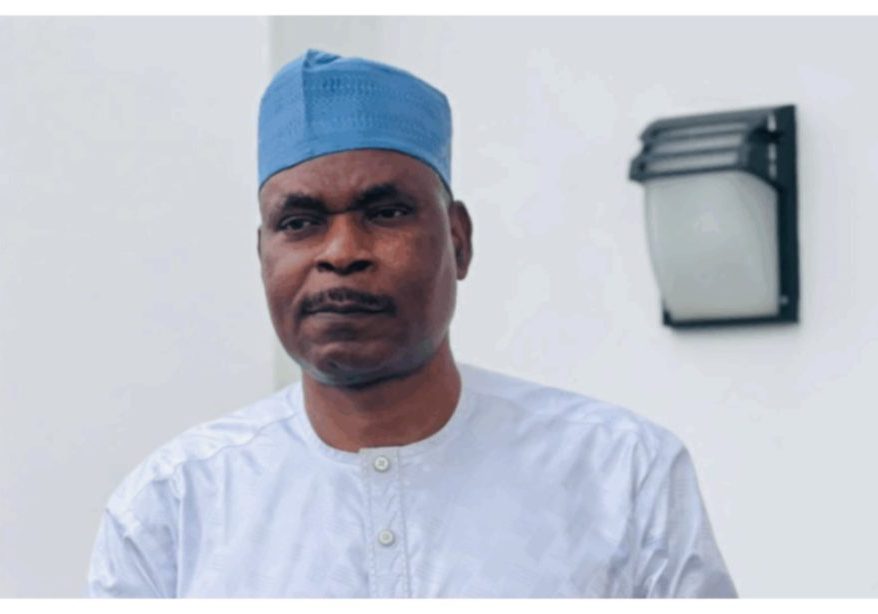
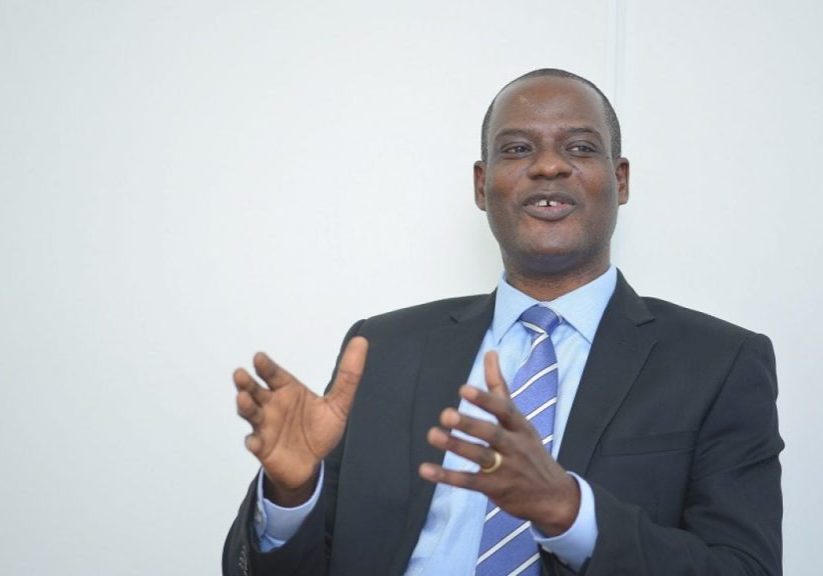
A civil rights activist and lawyer, Deji Adeyanju, has formally requested Nigeria’s Economic and Financial Crimes Commission (EFCC) and Department of State Services (DSS) to open investigations into former Kaduna State Governor Nasir El-Rufai. The request, made in a statement on Thursday, cites specific allegations of corruption and raises concerns about security strategies employed during his administration.
Adeyanju, a prominent campaigner for governmental accountability, stated that El-Rufai’s tenure as governor, which ended in 2023, should be subjected to independent scrutiny. He argued that accountability must extend to all public officials, regardless of their current position. The call specifically targets two areas: alleged financial misconduct and the management of widespread insecurity in Kaduna State, a region that experienced significant violence during El-Rufai’s time in office.
Regarding corruption claims, Adeyanju urged the EFCC to act without fear or favor. He emphasized that if questions exist about financial misconduct or abuse of office, the former governor must provide a full account. The statement directly counters any suggestion of political persecution, noting that El-Rufai’s administration was frequently criticized for suppressing dissenting voices.
The activist provided specific examples of alleged repression, stating that activists, clerics, and political commentators faced detention, harassment, or intimidation. He referenced the unresolved disappearance of a prominent critic who was abducted in front of his family, describing it as a painful reminder of that era.
Concurrently, Adeyanju called on the DSS to investigate purported contentious security arrangements. He highlighted allegations that financial inducements were provided to violent groups—a claim he described as raising serious national security concerns that warrant a comprehensive probe.
El-Rufai, a powerful figure in Nigerian politics who also served as Minister of the Interior, has not publicly commented on these specific calls for investigation. His previous administration was noted for a hardline security approach in Kaduna, a state plagued by banditry and communal conflicts, alongside vocal criticism from civil society groups.
The request places the EFCC and DSS, two agencies often scrutinized for their political neutrality, at the center of a high-stakes accountability debate. Should the agencies act, any potential investigation would represent a significant test of Nigeria’s commitment to probing alleged elite misconduct, regardless of political standing. The outcome could influence broader perceptions of rule of law and post-office accountability for senior public officials in Nigeria.