Exiled Malian religious leader Mahmoud Dicko has called for a coordinated regional solution to the escalating jihadist violence across the Sahel, stating that “we must find a solution for the entire sub-region.” His appeal comes as Burkina Faso, Mali, and Niger grapple with a decade-long insurgency and undergo significant political and geopolitical realignments.
For over ten years, the Sahel region has faced sustained attacks from jihadist factions affiliated with Al Qaeda and the Islamic State. These groups have exploited local grievances and porous borders, destabilizing governments and displacing millions. The violence has intensified despite long-term international military interventions, creating a complex security crisis that transcends national boundaries.
The three nations are currently governed by military juntas that seized power through coups in recent years. These administrations have systematically reversed previous security partnerships, notably expelling French troops who had been central to counter-terrorism operations. The withdrawal of French forces, completed in 2022 for Mali and followed by Burkina Faso and Niger, marked a decisive shift in regional diplomacy. Analysts observe that these juntas have increasingly sought new security allegiances, particularly with Russia, filling the vacuum left by Western partners. This pivot has raised concerns among Western governments about the future trajectory of counter-insurgency efforts and human rights in the region.
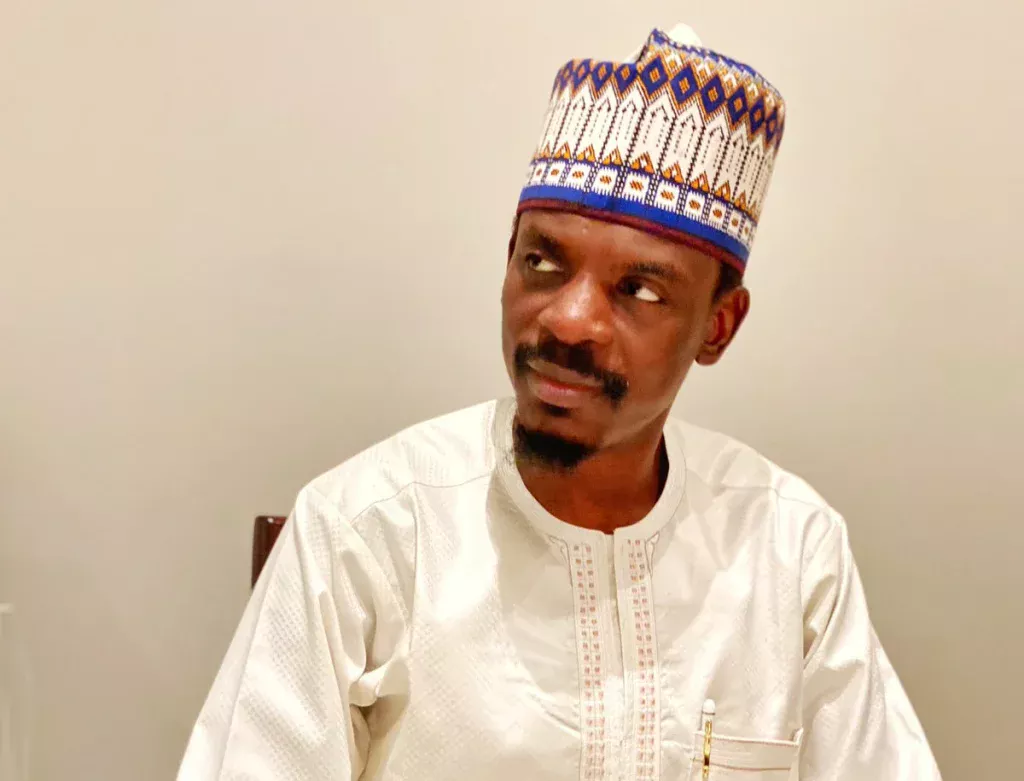
Dicko, a former president of Mali’s High Islamic Council, is a prominent figure whose influence extends beyond religious spheres. He played a pivotal role in mobilizing the 2020 protest movement that precipitated the coup against President Ibrahim Boubacar Keïta. Once a key ally of the state, his relationship with the current junta led by Assimi Goïta deteriorated, prompting his self-exile in Algeria in 2023. His stature as a respected Imam and former political kingmaker lends significant weight to his current appeal for a sub-regional strategy.
The convergence of a persistent jihadist threat, military-led governments disillusioned with traditional allies, and the influx of new foreign actors like Russia has created a volatile environment. Dicko’s plea underscores the urgency among regional stakeholders for an inclusive political and security framework that addresses root causes of conflict. His voice highlights a potential, though challenging, path toward dialogue at a time when diplomatic channels are strained and military solutions have shown limited success. The effectiveness of any regional initiative will depend on the ability of Sahelian states, alongside their international partners, to reconcile divergent political visions while confronting a shared extremist threat.