
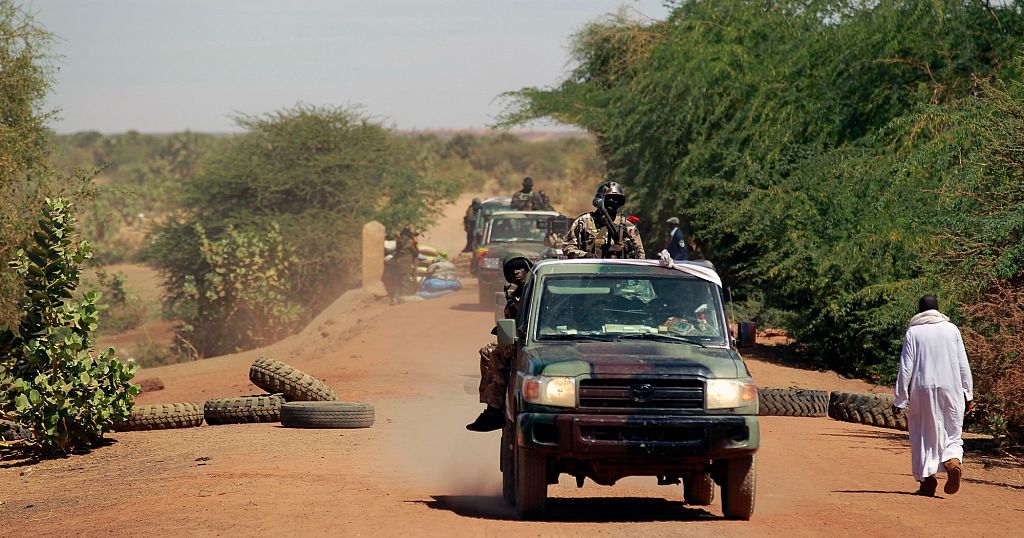
Mali’s armed forces have stepped up efforts to secure the strategic trade routes that link the capital, Bamako, with neighboring Senegal after a surge in attacks by armed groups. The military now escorts fuel trucks and other vehicles traveling from Senegal to ensure they reach their destinations safely. This action follows the suspension of operations by transport companies along the route, which occurred after al‑Qaeda‑linked militants Jama’at Nusrat al‑Islam wal‑Muslimin (JNIM) announced a blockade. The blockade, launched last week, involved JNIM stopping and setting fire to fuel trucks, prompting the army to mount a major operation that included airstrikes in the western Kayes region near the Senegal‑Mauritania border. The offensive has reportedly broken the blockade.
The operation is part of the ruling military junta’s broader strategy to weaken the militant group and tighten control over the economy by restricting fuel imports from neighboring countries. Since May, jihadists have targeted Malian and foreign‑owned businesses in Kayes, including cement factories, sugar plants, and mines. Multinational miners such as Barrick Mining and B2Gold operate in the region, which has been increasingly affected by the insurgency.
JNIM is one of the deadliest armed groups operating in the Sahel, a hotspot for militant attacks that stretches from North to West Africa. The rise in Islamist attacks has also impacted the West African regional bloc ECOWAS, especially after Mali, Burkina Faso, and Niger withdrew following coups in those countries. In 2023, the three states formed a separate security alliance, the Alliance of Sahel States, aligning with Russia rather than traditional Western partners like France. Despite this shift, data show that Islamist attacks have continued to increase.
The escalation of violence in the Sahel has significant implications for regional security and the economy, disrupting trade and commerce not only in Mali but also in neighboring countries. The international community is closely monitoring the situation, and finding a lasting solution to the crisis remains a priority. With the military’s efforts to secure trade routes and weaken militant groups, attention now turns to sustaining these actions and developing long‑term strategies to address the root causes of the insurgency.



Comments are closed for this story.