Lagos to Reinstate Monthly Environmental Sanitation Exercise from March 2025
The Lagos State Government has announced the reinstatement of its compulsory monthly environmental sanitation exercise, set to resume on the last Saturday of each month beginning March 2025. The initiative, suspended in November 2016, aims to tackle escalating challenges of indiscriminate waste disposal and blocked drainage systems across the state.
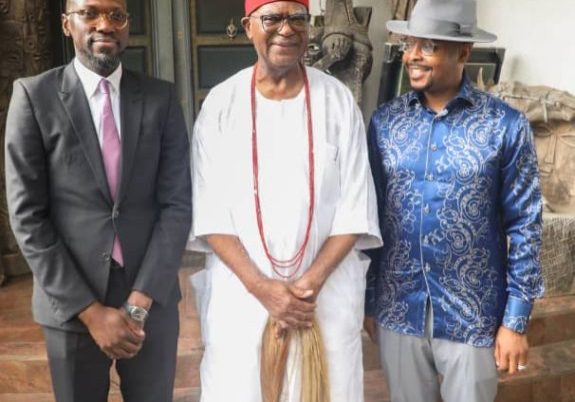
Tokunbo Wahab, Commissioner for Environment and Water Resources, made the announcement during an inspection of ongoing regeneration works in Lagos Island. He was accompanied by Kunle Rotimi-Akodu, Special Adviser to the Governor on Environment.
The Commissioner explained that the original suspension was due to the difficulty of enforcing movement restrictions in a densely populated megacity. However, deteriorating environmental conditions, including growing refuse heaps and compromised drainage, have necessitated the exercise’s return. While logistical preparations caused an initial delay, stakeholder consultations are concluding to ensure a smooth rollout. “We are working towards a date acceptable to all stakeholders, and I am confident the exercise will commence in March, if not sooner,” Wahab stated.
The government stressed that the core issue extends beyond waste management capacity to a deficit in civic discipline. Markets along major traffic corridors, despite access to bins, were cited as significant sources of illegal dumping. The Commissioner warned of impending tougher enforcement actions in critical areas.
The announcement coincided with updates on the Lagos Island regeneration and deflooding projects. Wahab reported steady progress on drainage upgrades and public space improvements, noting measurable reductions in flooding in previously prone areas. Officials also inspected the Oja-Oba underbridge, earmarked for redevelopment through a proposed public-private partnership and corporate social responsibility framework. Clearing activities are ongoing, with the project planned in phases to ensure sustainability.
Wahab highlighted that the decision followed extensive deliberations by the Lagos State Executive Council, with legal clarifications from the Ministry of Justice addressing previous concerns related to movement restrictions. He underscored that environmental sanitation is a global best practice essential for public health and sustainable urban living.
Ultimately, the Commissioner urged residents to adopt personal responsibility, framing cleanliness as a continuous collective duty. “Setting aside a few hours weekly to clean our surroundings costs nothing, and that is the essence of reviving this initiative,” he said. The return of the monthly exercise signifies a renewed, multi-pronged push to embed a lasting culture of environmental hygiene in Nigeria’s largest city.