
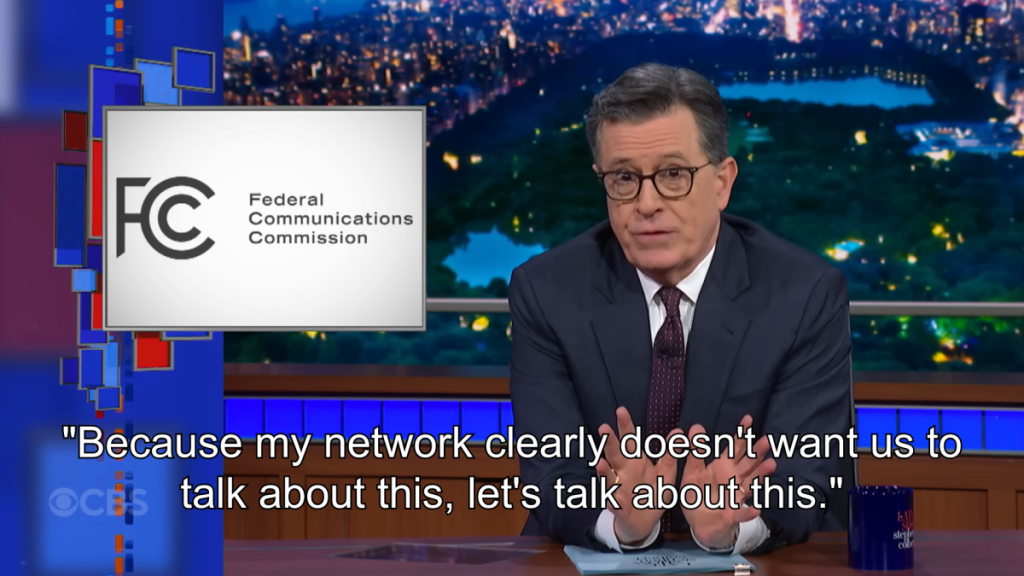
Stephen Colbert, host of CBS’s The Late Show, has publicly claimed that the network prohibited him from airing an interview with Texas State Representative James Talarico and barred him from even mentioning the segment. During a recent broadcast, Colbert spent approximately eight minutes detailing the situation, stating that CBS lawyers informed the production “in no certain terms” that Talarico could not appear.
The reported restriction is linked to a review by Federal Communications Commission (FCC) Chair Brendan Carr, who has proposed eliminating the “talk show exemption” to the commission’s equal time rule. This rule requires broadcast radio and television stations to provide equal airtime to all legally qualified candidates for a particular office if they interview one candidate. The existing exemption typically shields news programs, including talk shows, from this mandate. Carr has framed the potential change as a measure to reduce partisanship in broadcasting.
However, Colbert argued that the FCC chair has not indicated any similar scrutiny of radio programs, which often feature conservative hosts. He characterized the proposed rule change and CBS’s preemptive action as politically motivated, suggesting the intent is to suppress criticism of former President Donald Trump on television.
Significantly, Colbert noted that Carr has only announced a review of the exemption and has not yet implemented any change. “He hasn’t done away with it yet, but my network is unilaterally enforcing it as if he had,” Colbert said, adding that he believed CBS’s decision was driven by “purely financial reasons.”
Following the broadcast, the full interview with Representative Talarico was published on the Late Show’s official YouTube channel. Colbert stated he was forbidden from providing a direct link or QR code during the television show but directed viewers to find it on the platform. The video’s top comment reflected viewer sentiment: “The FCC not wanting me to watch this made me want to watch this.”
The incident highlights the intersection of broadcast regulation, network programming decisions, and political discourse. While the equal time rule remains unchanged, CBS’s alleged refusal to air the interview—based on a potential future regulatory shift—has drawn attention to the standards governing candidate appearances on entertainment programs and the scope of corporate censorship concerns ahead of a presidential election. The interview remains accessible online, bypassing the broadcast restrictions.



Comments are closed for this story.