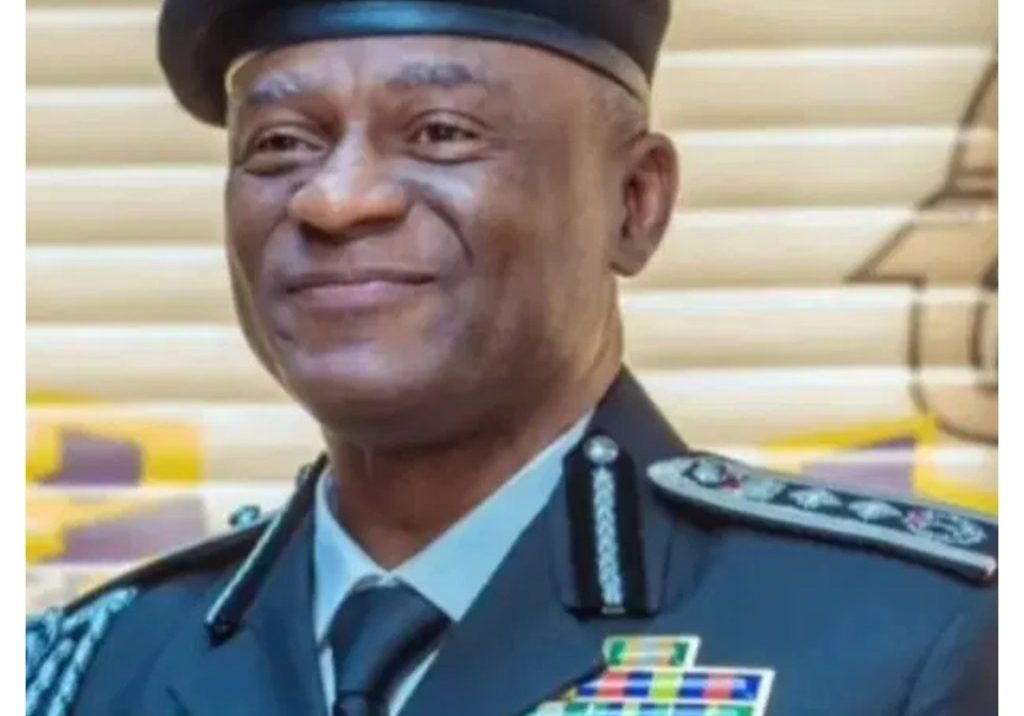
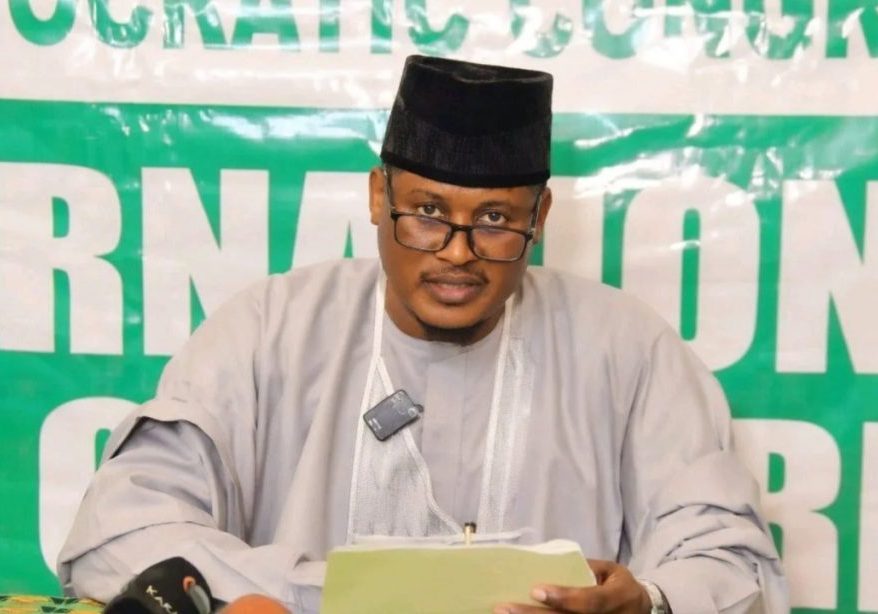
Seven Ghanaian traders are dead after Islamist militants attacked the border town of Titao in northern Burkina Faso on Saturday, according to Ghana’s Interior Minister, Mohammed Mubarak Muntaka.
The victims were part of an 18-person group from Ghana who had crossed into Burkina Faso to purchase tomatoes. Minister Muntaka, speaking on local radio Monday, said militants stormed the town, separated the men from the women, and opened fire. “They went on a shooting spree, killing almost all the males there, burning them together with the truck,” he stated, adding that the bodies were burnt beyond recognition.
Of the original group, three men and one woman survived with injuries. Seven women escaped the attack unharmed. The deceased were buried in Burkina Faso on Monday morning, with the surviving female traders present as witnesses. Ghanaian officials were unable to access the site due to security risks.
Burkina Faso’s military authorities spent hours retaking Titao after the assault. According to the Ghanaian minister, they have pledged to provide a military escort to transport the injured survivors to Ghana’s diplomatic mission in the capital, Ouagadougou. Authorities in Burkina Faso, governed by a military junta, did not immediately respond to a request for comment.
This incident underscores the severe and expanding threat of jihadist violence in the Sahel region. Islamist militant groups, some aligned with al Qaeda and the Islamic State, have significantly increased their presence in Burkina Faso in recent years. Their campaigns have killed thousands of civilians and displaced millions across the region, frequently targeting remote towns and civilians, including cross-border traders.
The attack on the Ghanaian traders highlights the porous security challenges along the region’s borders and the acute danger faced by civilians in conflict zones. While Burkina Faso’s forces have conducted operations to reclaim areas from militants, large swathes of the countryside remain under threat. The promised military escort for the survivors points to the delicate and dangerous coordination required for humanitarian access in such environments.
The killing of foreign nationals within Burkina Faso may draw increased regional diplomatic attention to the security crisis. For now, the focus remains on the safe evacuation of the wounded and the repatriation of the deceased, processes complicated by the very instability that enabled the attack.