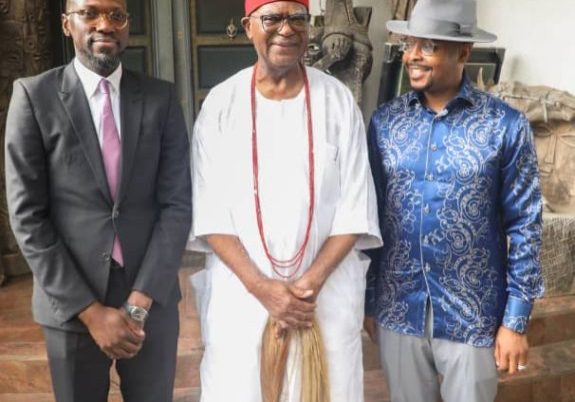
A Nigerian lawmaker has accused President Bola Tinubu and the ruling All Progressives Congress (APC) of forcing a “fait accompli” on the public through recent legislative actions. Victor Ogene, a member of the House of Representatives for Ogbaru Federal Constituency in Anambra State, made the remarks during an interview on ARISE Television’s Prime Time programme.
Ogene stated that the President and APC deliberately timed the passage and signing of a bill to minimise public opposition. He alleged that lawmakers and the government waited until the “last minute” before the 2027 elections to act, specifically to avoid agitation from civil society groups and the media. “We knew that the 2027 elections were coming, and we waited until this last minute so that there will not be any agitation from the civil society groups and the media,” he said.
According to Ogene, President Tinubu’s subsequent signing of the legislation has now closed any opportunity for further debate or resistance. “Having been signed, that closes the door to any further agitation. In the last few weeks and days, we have been forced to accept the fait accompli,” he added.
The congressman sharply criticised the timing of the bill’s finalisation, noting it coincided with the beginning of solemn religious observances for both Christians and Muslims. He framed this as an affront to the nation’s democratic values. “On this solemn day that Nigerians on both sides of the religious divide, Christians and Muslims, began their fast, it is a sad day for democracy, and we will remember it as such,” Ogene stated.
Ogene’s comments highlight concerns about the legislative process and transparency ahead of the 2027 general elections. His suggestion that the government strategically delayed action to bypass public scrutiny points to underlying tensions regarding executive-legislative relations and civic engagement in Nigeria. The criticism underscores a perceived erosion of democratic norms, where significant policy changes are enacted without inclusive consultation. The episode is likely to fuel further debate about the government’s commitment to participatory democracy as the electoral cycle progresses.