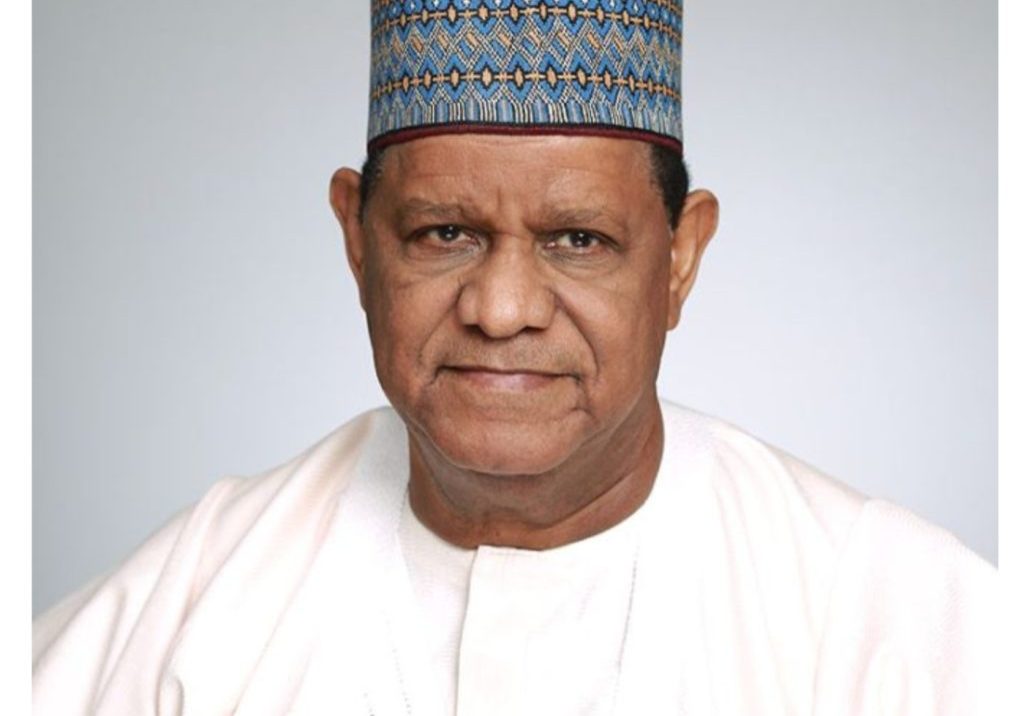
Prominent Tunisian lawyer and former judge Ahmed Souab was released from prison on Monday after completing a 10-month sentence imposed by an anti-terror court. His detention and prosecution have drawn criticism from human rights groups and underscore concerns over the shrinking space for dissent in Tunisia.
Souab, 69, was initially detained in April 2023 following his public condemnation of a mass trial of government critics. He had served on the defence team for some of the 40 individuals sentenced to lengthy prison terms in that case, which included charges of “conspiracy against state security” and “belonging to a terrorist group.” Souab specifically alleged that judges faced political pressure to deliver harsh verdicts and had accused authorities of metaphorically putting “a knife to the throat of the judge” about to sentence the defendants.
That allegation, coupled with a physical gesture mimicking a knife to the throat, formed the basis for his own prosecution under Decree 54. The law, enacted by President Kais Saied in 2022 to combat “false news,” has been widely criticised by rights advocates for its vague wording and broad application by courts. In a trial lasting less than two minutes in October, Souab was initially sentenced to five years in prison. His sentence was later reduced to 10 months on appeal, a term his lawyers confirmed he has now fully served.
Throughout his imprisonment, Souab’s family raised health concerns, noting he suffered a heart attack in 2022. They requested his release on medical grounds, but a judge rejected provisional release earlier this month, despite a cardiologist’s warning that prison conditions could deteriorate his health.
The United Nations special rapporteur on human rights defenders, Mary Lawlor, stated earlier this month that Souab’s conviction was based on “baseless charges,” aligning with warnings from international bodies about the misuse of counter-terrorism and security laws to silence critics.
Souab’s case is part of a broader pattern of declining civil liberties since President Saied’s consolidation of power in July 2021, when he dissolved parliament and began ruling by decree. Rights groups consistently warn of a sharp erosion of judicial independence, freedom of expression, and the right to a fair trial. His release offers no respite for Tunisia’s embattled legal and human rights community, which continues to operate under an increasingly restrictive legal environment.