
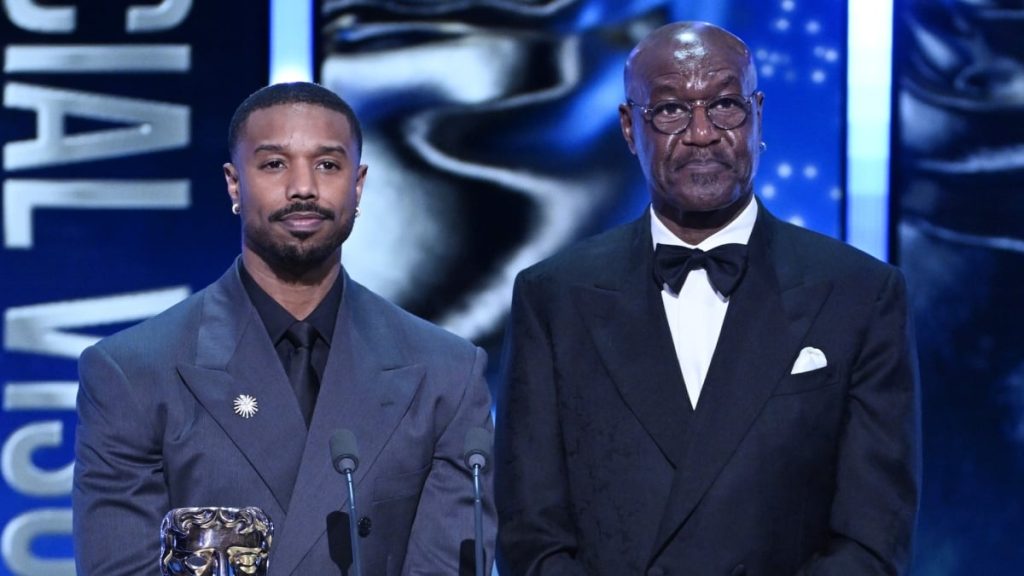
The British Academy Film Awards (BAFTAs) are under scrutiny not for its winners, but for a broadcast failure by the BBC. During the tape-delayed ceremony, a racial slur was audible on air after John Davidson, an attendee with Tourette syndrome, involuntarily shouted the word. The incident occurred as actors Michael B. Jordan and Delroy Lindo, both Black, presented the first award.
Davidson, whose life inspired the BAFTA-nominated film I Swear, later issued a statement apologizing and explaining his condition. “I am, and always have been deeply mortified if anyone considers my involuntary tics to be intentional or to carry any meaning,” he said. Lindo expressed that neither he nor Jordan were contacted by BAFTA organizers after the incident, and they attempted to continue with the show.
The BBC, which broadcast the event with a two-hour delay, chose to keep the slur in its television and streaming broadcast, only removing the entire show from BBC iPlayer later. Host Alan Cumming addressed the audience during the ceremony, stating, “Tourette’s syndrome is a disability and the tics you have heard tonight are involuntary… We apologize if you were offended.” This apology was criticized by some as insufficient.
The BBC and BAFTA later issued a joint apology, stating the slurs “arose from involuntary verbal tics associated with Tourette syndrome, and as explained during the ceremony it was not intentional.” Robert Aramayo, who portrayed Davidson in I Swear, told the BBC that Tourette’s “is not shouting obscenities, it’s not being abusive, it’s Tourette’s and they’re tics.”
Medical context is critical. According to the Tourette Association of America, coprolalia—the involuntary use of obscene language—affects approximately 10% of individuals with Tourette syndrome, a neurological disorder characterized by sudden, uncontrolled movements or vocalizations called tics. The association notes this figure may be underreported due to stigma.
The incident has sparked debate over the responsibilities of broadcasters when covering live events involving individuals with disabilities. While the slur was unintentional, the decision to allow it to air in a delayed broadcast raised questions about editorial oversight and sensitivity. The BAFTas and the BBC now face ongoing scrutiny regarding their protocols for managing unforeseen, inappropriate audio during live ceremonies.


Comments are closed for this story.