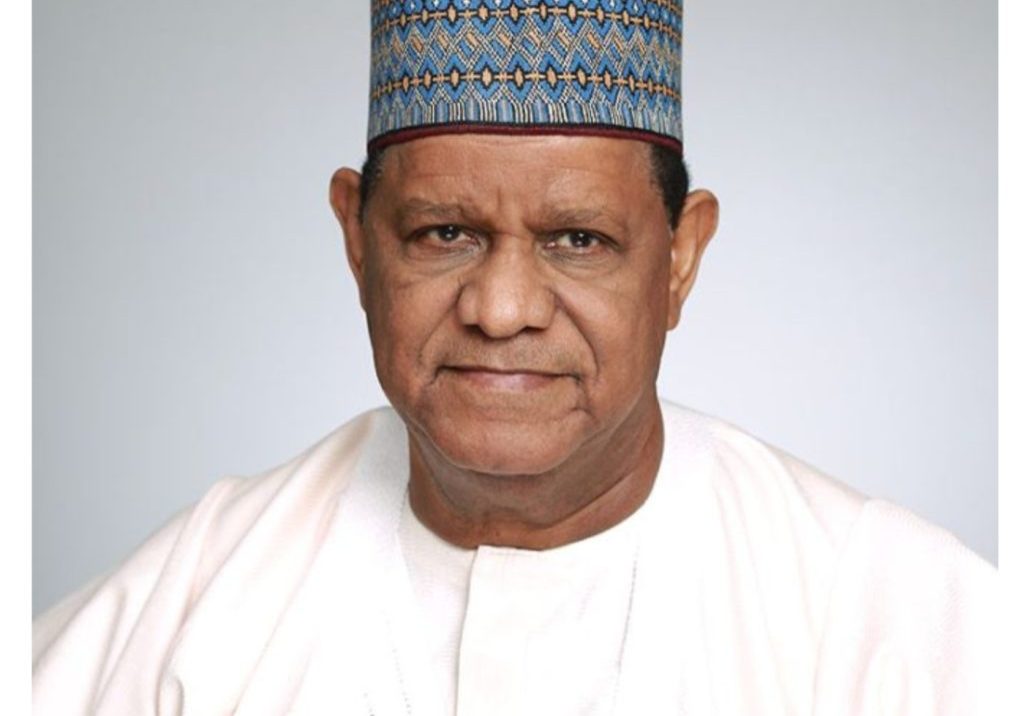
A stark warning from an Iranian parliamentarian has tied the fate of U.S. soldiers to the outcome of upcoming nuclear negotiations, as President Donald Trump reiterates threats of military action. The remarks heighten the stakes for indirect talks set to resume in Geneva, aimed at curbing Iran’s nuclear and ballistic missile programs.
Ebrahim Rezaei, an Iranian MP and spokesman for the parliament’s National Security and Foreign Policy Committee, stated on social media that Thursday’s negotiations would “determine whether American soldiers will go to hell or return to America.” His comment follows Trump’s imposition of a 15-day deadline for a deal, coupled with warnings that Tehran would face a “very bad day” if talks fail.
The indirect talks, mediated by Oman, are entering a third round where Iran is expected to present a draft agreement. The diplomatic push comes amid a sharp escalation in rhetoric from both sides. Iranian Foreign Minister Abbas Araghchi has asserted that Tehran is prepared for military confrontation should diplomacy collapse, vowing to target U.S. bases in the region if attacked. He reiterated Iran’s non-negotiable stance on its ballistic missile program and defended uranium enrichment as essential for peaceful energy needs.
In parallel, reports indicate the Pentagon has prepared plans for a sustained, weeks-long campaign against Iranian security and nuclear sites in the event of a谈判 breakdown. However, this military option faces significant internal scrutiny. General Daniel Caine, Chairman of the U.S. Joint Chiefs of Staff, has reportedly warned of substantial risks, including potential casualties, strained air defenses, and an overextended force. According to Israeli intelligence assessments cited by the Financial Times, the U.S. military’s capacity for intense strikes is limited to approximately four to five days, or about a week at a lower intensity.
Iranian officials have responded firmly to the threat of strikes. Foreign Ministry spokesman Esmaeil Baqaei stated that any U.S. military action, regardless of scale, would be considered “an act of aggression” and would trigger a “ferocious” Iranian response.
The Geneva talks are thus positioned as a critical pivot point. They represent a final diplomatic window to avert a renewed confrontation that could destabilize the region and test the operational limits of U.S. military power. The outcome will likely depend on bridging the core divide: U.S. demands for verifiable limits on Iran’s nuclear and missile capabilities versus Tehran’s insistence on its sovereign right to pursue these programs. The international community is observing closely, with regional partners and global powers aware that a failure could rapidly shift the Middle East from a tense standoff to open hostilities.