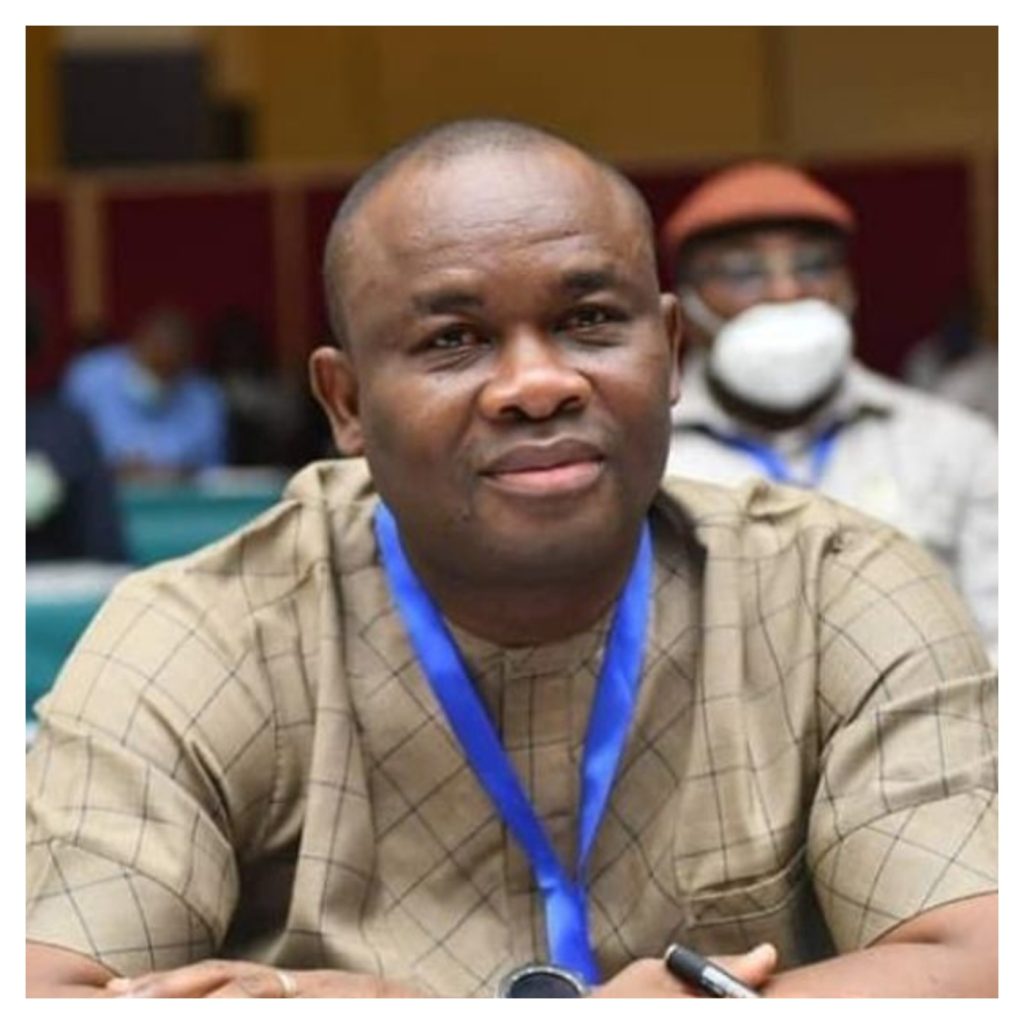
Activist lawyer Deji Adeyanju has linked the removal of former Inspector General of Police (IGP) Kayode Egbetokun to a principle of accountability, asserting that the outgoing police chief created political difficulties for President Bola Tinubu during his tenure.
Speaking to reporters following the presidential directive that replaced Egbetokun, Adeyanju stated that “karma” has caught up with the former IGP, as well as other former officials like Attorney General Abubakar Malami and former Kaduna State Governor Nasir El-Rufai. He cautioned public office holders to govern with circumspection, emphasizing that “power is transient.”
“Egbetokun inherited so many enemies for his principal, President Bola Tinubu,” Adeyanju was quoted as saying. “As a public office holder, you should know that you will never be in power forever… Many of them like Egbetokun used their offices to victimize people.”
The comments follow President Tinubu’s appointment of Deputy Inspector General of Police Tunji Disu as the new acting IGP on Wednesday, effectively ending Egbetokun’s 14-month tenure. Egbetokun’s appointment in June 2023 had followed the retirement of his predecessor, Usman Alkali Baba. His removal comes after sustained criticism from civil society groups and activists who accused him of partisan conduct and the illegal occupation of the top police post, charges the police leadership previously denied.
The change in police leadership underscores the president’s authority to appoint the nation’s top cop, a role central to internal security and public order. Adeyanju framed the dismissal within a broader narrative of eventual accountability for those in government, suggesting that actions taken while in office determine future political and public reception.
The new acting IGP, Tunji Disu, is a veteran officer previously serving as the Force Intelligence Bureau chief. His appointment is expected to steer the Nigeria Police Force through ongoing security challenges while navigating the political sensitivities highlighted by critics of the previous administration.
The episode reinforces a recurring theme in Nigerian public discourse: the tension between the temporal nature of political appointments and the perceived permanence of their consequences. Observers note that the transition may signal a shift in the police force’s operational approach as the Tinubu administration consolidates its security leadership.