

Bayelsa Deputy Governor Denies Lobbying for Appointment, Credits Divine Intervention
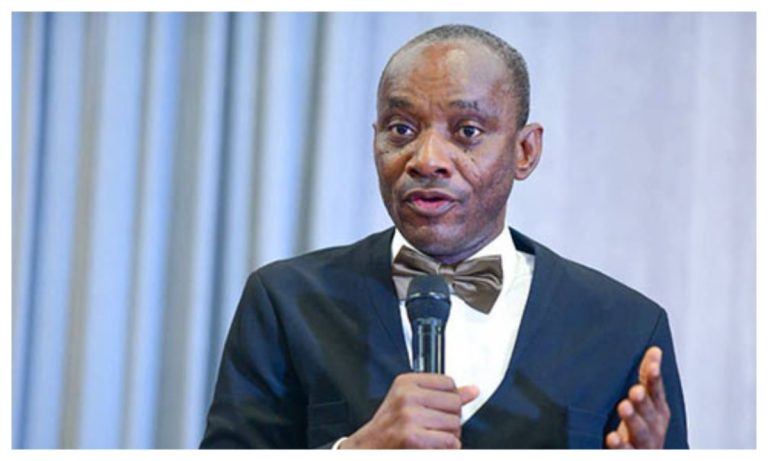
YENAGOA, Nigeria – The newly appointed Deputy Governor of Bayelsa State, Pastor Peter Akpe, has explicitly stated he did not lobby for the position following the death of his predecessor. Akpe made the declaration during a formal reception at the Government House in Yenagoa, the state capital, framing his appointment as a call to service rather than a personal ambition.
Akpe’s accession to office followed the passing of former Deputy Governor Lawrence Oborawharievwo in May. Addressing a gathering that included Governor Douye Diri, state legislators, and political stakeholders, Akpe directly addressed speculation about his selection.
“Let me make it clear that I have not gone to lobby for any position, including this one,” Akpe said. He pointedly asked the influential figures present to speak up if he had ever solicited their support, asserting that his life has been defined by “God touching people to do things for me.” He added, “This responsibility wasn’t something I achieved by myself,” emphasizing that the office belongs to the citizens of Bayelsa.
The deputy governor acknowledged that inquiries were made to him about the role but maintained his response was always to defer to “the will of God.” He cautioned against pursuing positions not divinely sanctioned, stating, “You shouldn’t get involved in anything that God hasn’t allowed or ready you for.”
Akpe extended gratitude to Governor Douye Diri for the “great honor” and for demonstrating confidence in his capability for “bigger responsibilities.” He also thanked the Bayelsa State House of Assembly and his constituency for their roles in the process.
His appointment comes at a critical time for the Niger Delta state, which continues to navigate complex challenges including economic development, environmental concerns in its oil-rich region, and recovery from recent floods. Akpe’s background as a pastor and his stated reliance on divine guidance over political maneuvering present a distinct narrative in the state’s political landscape.
The deputy governor pledged an increased commitment to Bayelsa, promising “more attention and more service.” His inaugural remarks signal an administration focused on collective progress, with the deputy governor positioning himself as a steward for the people rather than a product of conventional political bargaining. His approach underscores a message of faith-based leadership as he assumes the significant responsibilities of the deputy governorship.



Comments are closed for this story.