
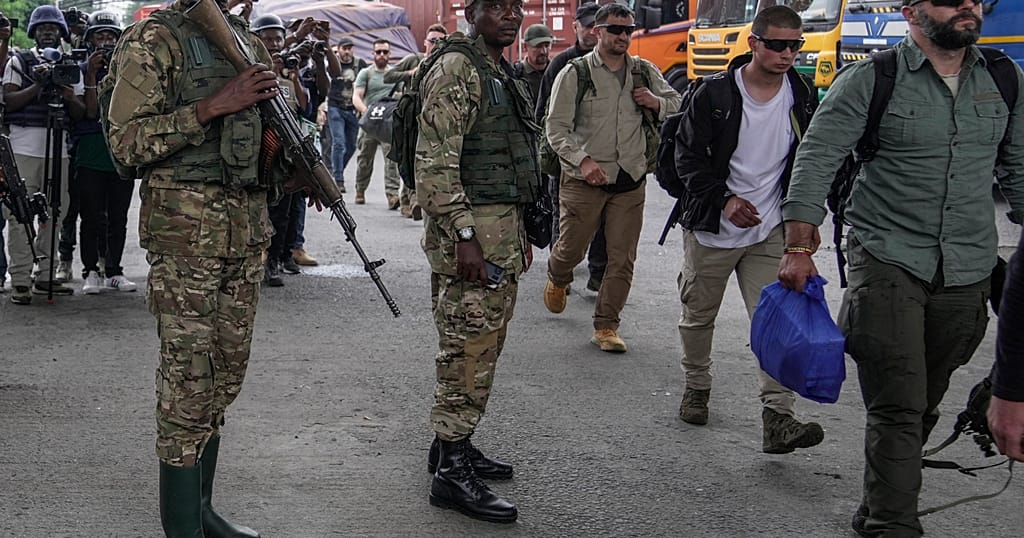
A drone strike by Congolese armed forces on the strategic Rubaya mining hub in eastern Democratic Republic of Congo on 24 February killed M23 rebel military spokesperson Willy Ngoma and at least nine other individuals, while the movement’s military commander escaped unharmed, according to multiple press agency sources.
The attack targeted the M23/AFC rebel movement, which has controlled the mineral-rich area since a major offensive last year. While the primary objective was the rebel military leadership, the strike resulted in significant collateral fatalities. Sources have indicated that at least nine additional people died in the attack. Reuters reported a possibility of seven further related deaths, though no additional bodies have been recovered from the site to date. The M23 has not issued any public statement regarding the incident.
Rubaya is a critical site for the global supply of coltan, a mineral essential for manufacturing capacitors used in computers and smartphones. The area is estimated to produce between 15% and 30% of the world’s coltan, making its security a matter of international economic interest. The M23’s seizure of the mining region during its swift advance in late 2023 granted the armed group significant revenue and leverage over a key resource export.
The incident highlights the persistent volatility in eastern DRC, where dozens of armed groups operate and clashes with the national army are frequent. The use of drone strikes in populated areas raises concerns about compliance with international humanitarian law regarding proportionality and distinction. No independent investigation into the specific casualties from the Rubaya strike has been publicly announced.
The strike underscores the intersection of localized conflict and global technology supply chains. Instability in the Rubaya region directly threatens the flow of critical minerals, with potential ramifications for international tech manufacturers. The event also illustrates the Congolese military’s reliance on aerial capability to contest territory held by well-armed rebels, a tactic that often carries high risks for civilians in contested zones. The international community’s response, including potential calls for accountability, remains to be seen.



Comments are closed for this story.