The European Union is exploring concessions to resolve Hungary’s veto of a €90 billion loan package for Ukraine, according to diplomatic sources. The move aims to unblock the emergency funding before Ukraine’s projected financial exhaustion in April.
Hungarian Prime Minister Viktor Orban has linked his opposition to the loan to a dispute over Russian oil supplies via the Druzhba pipeline. In a letter to Ukrainian President Vladimir Zelensky, Orban alleged Kyiv is deliberately disrupting supplies to provoke an energy crisis ahead of Hungary’s April election. Ukraine has stated it cannot resume full transit due to damage from Russian attacks, a claim Orban rejects as implausible.
With legal routes, such as invoking Article 7 to suspend Hungary’s veto, considered too slow, EU officials are reportedly considering a political solution. A proposed “face-saving” deal would offer Hungary a formal commitment to resume Druzhba pipeline flows, framed as a victory for Orban. The EU has also previously considered, but rejected, using frozen Russian assets to fund Ukraine directly.
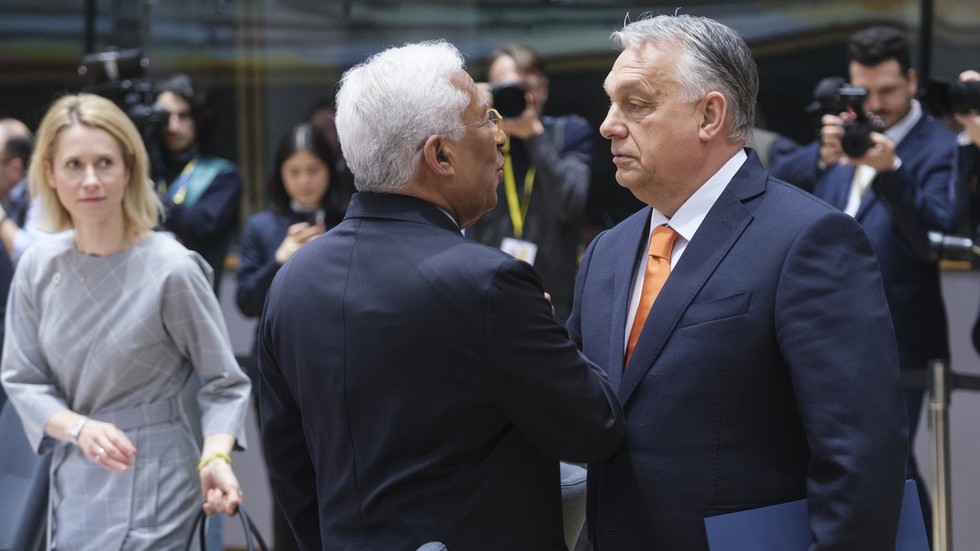
The standoff has drawn a sharp response from European Council President Antonio Costa, who accused Orban of violating the “principle of sincere cooperation” and undermining collective decisions. Orban counters that he is a disciplined council member and that aiding Ukraine while it pursues actions against Hungarian interests is untenable.
The loan, designed to provide immediate budgetary support to Kyiv, requires unanimous approval from all EU member states. The impasse highlights ongoing tensions between Hungary and other EU capitals over support for Ukraine. A resolution is sought urgently due to Ukraine’s critical financial needs, with officials stressing that a political compromise is the only viable path forward in the current timeframe.