Nigerian comedian Seyi Law has publicly retracted his recent assertion that Nigeria is safer today than a decade ago, following widespread criticism of the comment. The reversal comes after his statement, made on the ‘Honest Bunch’ podcast, was condemned by many Nigerians who cited ongoing security challenges, including terrorist attacks and widespread kidnapping.
Law, a known supporter of President Bola Tinubu, initially claimed the country’s security had improved. This position attracted significant backlash online, with critics accusing him of being insincere and out of touch due to his political affiliations. The public reaction centered on the daily realities of many Nigerians who face insecurity, contrasting sharply with his assessment.
In response, Law released an apology video on his Instagram account. He described his original remark as “insensitive,” directly acknowledging the pain of victims of kidnapping and violence. “I had looked at that statement and I think it is quite insensitive to those who have had an issue with kidnapping, relatives been killed and all that,” he stated. He offered a “sincere and unreserved” apology to those hurt by his comments, adding, “I’m not someone who would be too proud or very insensitive to apologize when he makes mistakes.”
Beyond the apology, Law urged President Tinubu to prioritize national security more aggressively, calling for concrete action to address the persistent threats. His statement underscores the intense public scrutiny faced by public figures who comment on sensitive national issues, particularly when perceived as aligning with government narratives that conflict with public experience.
The incident highlights the volatile discourse surrounding Nigeria’s security landscape and the potent role of social media in shaping public accountability. Law’s U-turn demonstrates how public pressure can prompt even prominent supporters of the administration to publicly recalibrate their positions on core governance issues. The apology video has since been circulated widely, prompting further discussion on the gap between official narratives and citizen experiences regarding safety in Nigeria.

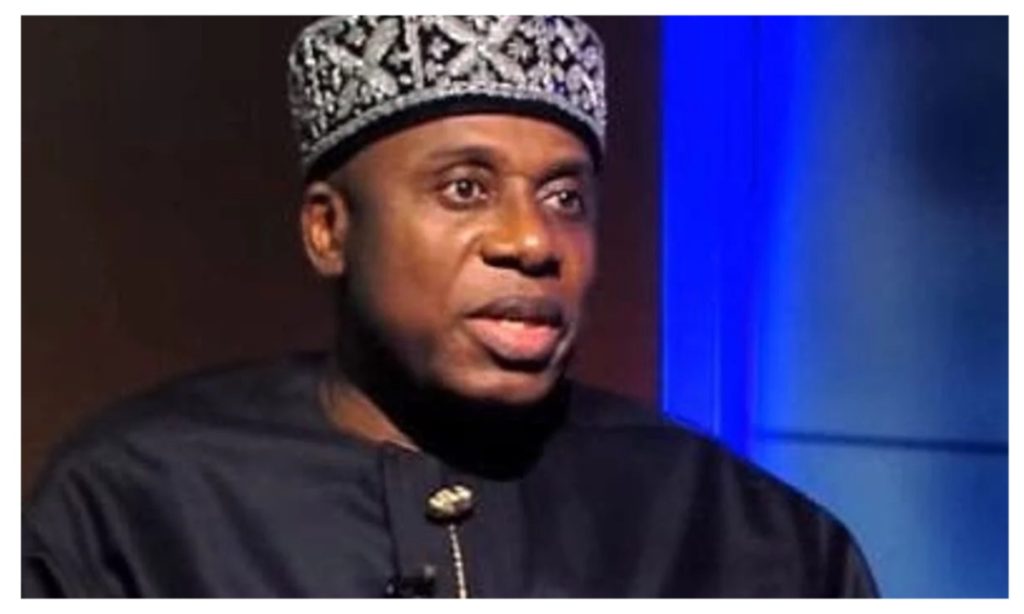
![Seyi Law makes U-turn, apologizes for saying Nigeria is safer than 10 years ago [Video]](https://mediatalkafrica.com/wp-content/uploads/2026/02/xSeyi-Law-Apologizes-for-Security-U-Turn-Urges-Tinubu-Action-1024x1024.jpg.pagespeed.ic.2LufF9Bm-K.jpg "seyi law apologizes for security u turn, urges tinubu action")