
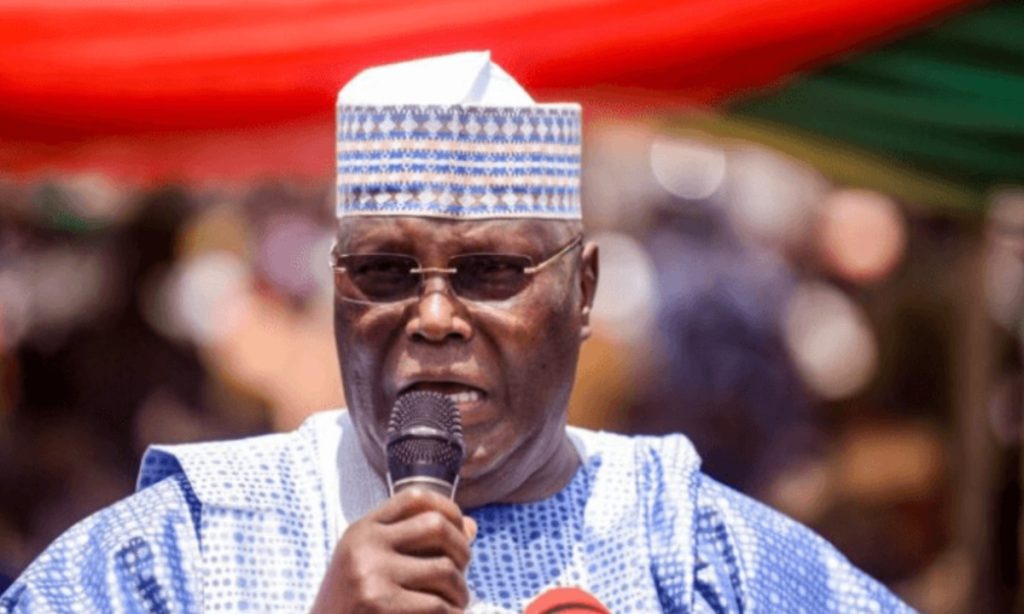
Former Vice President Atiku Abubakar has expressed regret over his participation in the 2014 formation of the All Progressives Congress (APC), stating that Nigeria’s current political and socio-economic condition is worse than the challenges the coalition originally sought to address.
Speaking at a press conference in Abuja on Thursday, Atiku reflected on the merger of opposition groups that created the APC. The union was forged to confront perceived democratic and developmental shortcomings under former President Goodluck Jonathan’s administration. “We came together and formed APC because we felt democracy was faltering,” he said. “Only for us to end up at the same position we found ourselves in 2014—worse.”
He contrasted the primary concerns of 2014—notably insecurity and economic instability—with the present climate, arguing that both have escalated significantly. “In 2014, the major challenges were insecurity, the economy and so on. Now it is even worse than what we fought against,” Atiku stated.
The event, themed “Urgent Call to Save Nigeria’s Democracy,” was attended by various prominent opposition figures. Atiku emphasized that historical lessons must inform any future political coalition, urging a renewed focus on restoring what he termed “true democracy” in Nigeria. “We must succeed to make sure that we restore true democracy to our country,” he added.
The APC’s 2014 emergence unified major opposition parties into a formidable force that ended the ruling People’s Democratic Party’s (PDP) 16-year hold on the presidency in 2015. Atiku, then a PDP member, later defected to the APC ahead of the election but has since been a vocal critic of President Muhammadu Buhari’s administration.
His remarks underscore growing discontent among some former APC allies regarding the government’s handling of security, the economy, and democratic norms. The press conference signals a coordinated opposition effort to frame the 2023 electoral contest around the narrative of national rescue.
Analysts note that Atiku’s retrospective critique may be a strategic positioning ahead of future elections, potentially rallying disaffected voters around a new opposition platform. The statement also highlights persistent fractures within Nigeria’s political landscape, where former collaborators often become adversaries.
The significance of this development lies in its potential to reshape opposition alliances. By invoking the 2014 merger’s original intent, Atiku is challenging the ruling party’s legacy and attempting to reframe the political narrative ahead of general elections. The success of any new coalition will depend on its ability to present a coherent alternative amid deep-seated public frustration over insecurity, economic hardship, and perceived democratic erosion.


Comments are closed for this story.