
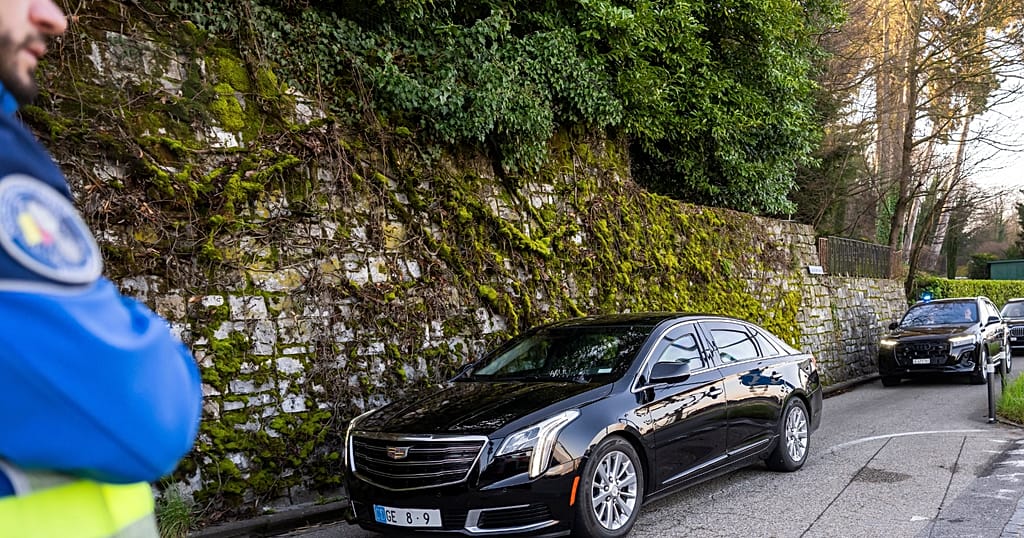
Indirect negotiations between Iran and the United States concluded in Geneva on Thursday without an agreement, heightening regional tensions as the U.S. bolstered its military presence in the Middle East. The talks, mediated by Oman, focused on Tehran’s nuclear program but failed to bridge deep-seated differences, with further discussions scheduled for next week in Vienna.
Oman’s Foreign Minister Badr al-Busaidi, who facilitated the talks, described “significant progress” without providing specifics. However, Iranian state television’s reporting just before the session ended signaled persistent friction. Tehran reiterated its determination to continue uranium enrichment, rejected proposals to transfer enriched material abroad, and demanded the lifting of international sanctions—positions that fall short of U.S. requirements for a deal.
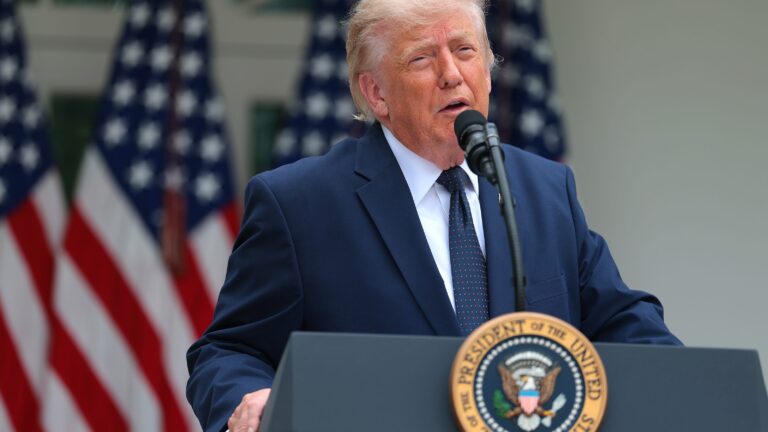
The United States, under President Donald Trump, seeks a constrained Iranian nuclear program and views the country’s internal unrest following nationwide protests as leverage. Washington has also pushed for discussions on Iran’s ballistic missile program and its support for regional allied groups, such as Hamas and Hezbollah. Iran maintains it will not negotiate on these auxiliary issues, asserting its right to peaceful uranium enrichment under international safeguards.
The failure to secure a framework agreement prolongs the threat of escalation. The U.S. has deployed aircraft and warships to the region, a move analysts link to pressure on Tehran. Both sides, however, indicated a shared interest in avoiding direct conflict.
Technical-level talks are set to resume in Vienna, the headquarters of the International Atomic Energy Agency (IAEA), which would play a central role in verifying any future accord. Iran’s Foreign Minister Abbas Araghchi characterized the Geneva meetings as some of the “most intense and longest rounds of negotiations” in the country’s history, noting that Iran’s positions had been “clearly spelled out,” though he offered no concrete details. The White House did not comment on the outcome.
The deadlock underscores the enduring complexity of the nuclear issue, entangled with broader regional security concerns and two decades of mutual distrust. While diplomatic channels remain open, fundamental disagreements over the scope of limitations and sanctions relief present substantial obstacles to a renewed agreement. The Vienna talks will test whether technical progress can overcome these political divisions.


Comments are closed for this story.