
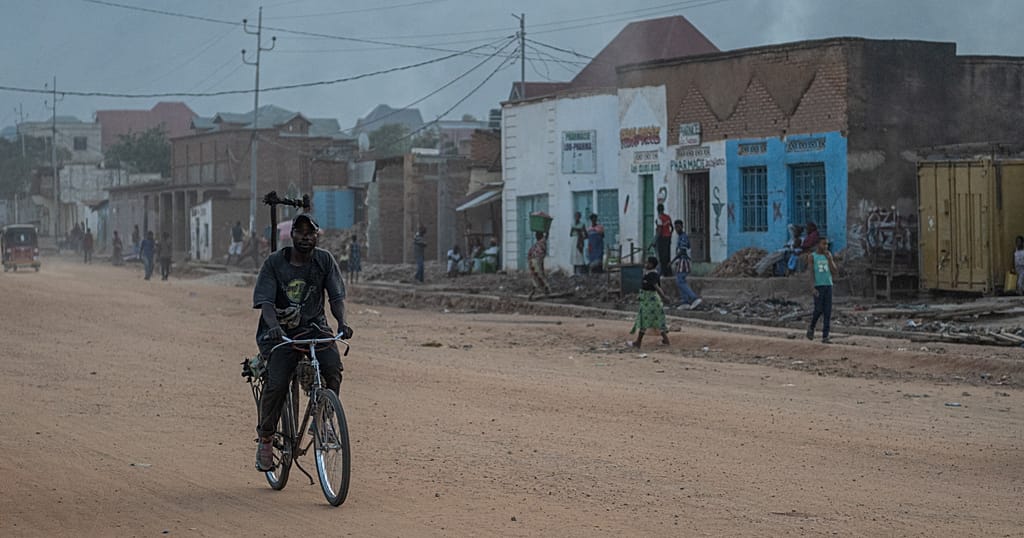
Congolese authorities have attributed two mass graves discovered in Uvira, South Kivu province, to the M23 rebel group, escalating allegations of serious human rights violations during the group’s recent occupation of the eastern city.
M23 fighters seized control of Uvira in early December 2023 before withdrawing approximately one month later. During their temporary administration, the city and surrounding areas experienced heightened tensions, with local populations reporting instances of coercion and violence. The discovery of the burial sites has intensified scrutiny of the rebel group’s conduct. According to officials in the Kavinvira municipality, one grave contains six bodies, while a second site nearby holds several dozen more. Separately, residents of Sange, located about 30 kilometers from Uvira, reported an additional grave with approximately 10 bodies. No exhumations or forensic examinations have been conducted at any of the locations to date.
These findings align with prior documentation by international monitors. Human Rights Watch previously reported that M23 fighters harassed and intimidated civilians throughout their occupation, citing specific cases of murder, enforced disappearances, and the forced recruitment of individuals, including children. The organization estimated that around 10 civilians were killed during the group’s presence. M23 has consistently denied responsibility for abuses, rejecting such accusations as politically motivated.
The identification of mass graves in a post-conflict setting often points to possible war crimes or crimes against humanity. The pattern of allegations against M23—including earlier reports from other territories in North Kivu—suggests a recurring problem of accountability within the movement. The unexcavated state of the Uvira-area sites underscores the immediate need for a thorough, independent investigation to establish the identities of the deceased, the causes of death, and the chain of command responsible. Such steps are critical for any future judicial or transitional justice process.
The resurgence of M23 in eastern Democratic Republic of Congo since early 2022 has destabilized parts of North and South Kivu, displacing thousands and disrupting civilian life despite ongoing regional diplomatic efforts. The graves in Uvira add another layer of urgency to calls for enhanced protection of civilians and unimpeded access for human rights investigators. Regional bodies, including the East African Community and the African Union, alongside the United Nations, have stressed the importance of holding perpetrators accountable to deter future violations and support a sustainable peace in the region.
The next steps will likely involve formal requests from Congolese authorities for international forensic assistance and potential engagement by the International Criminal Court, given the gravity of the allegations. Without prompt and transparent inquiries, the circumstances surrounding these deaths risk remaining unresolved, further eroding trust between communities and any political process aimed at ending the conflict.

Comments are closed for this story.