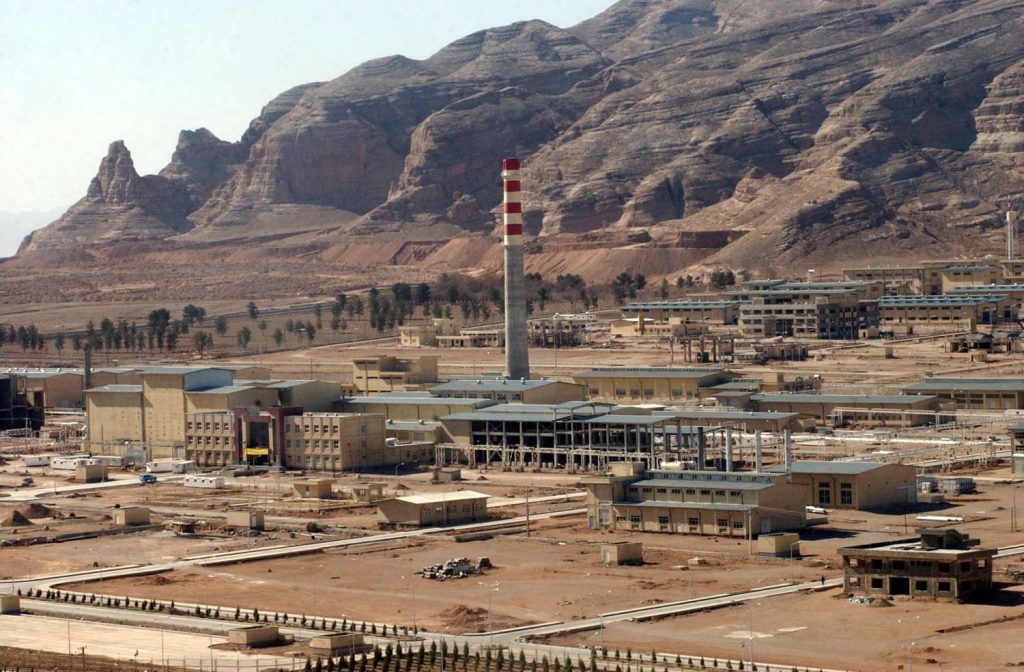
The recent killing of senior Iranian leaders in US-Israeli strikes marks an unprecedented escalation, directly targeting a sitting government in the Middle East. This event reignites scrutiny of a enduring pattern of US intervention in the region, spanning covert coups, overt wars, and long-term strategies aimed at securing strategic influence, particularly over energy resources.
This pattern emerged earlier with the 1953 CIA-backed coup in Iran, which overthrew the democratically elected prime minister Mohammad Mossadegh and restored the Shah. The operation, conducted with British intelligence, secured Western control over Iranian oil and established the repressive SAVAK security service, binding Iran’s political future to US interests for decades. The memory of this intervention fueled the 1979 Islamic Revolution and the subsequent US embassy hostage crisis, cementing a cycle of hostility.
US dominance in the Middle East was further solidified in 1956 during the Suez Crisis. When Britain, France, and Israel invaded Egypt following President Gamal Abdel Nasser’s nationalization of the canal, the Eisenhower administration opposed the neo-colonial action. Washington applied diplomatic and financial pressure to force a withdrawal, decisively shifting regional leadership from European powers to the United States.
The 2003 invasion of Iraq represented a more ambitious phase: the overt removal of a state government. The US-led campaign, based on disputed claims of weapons of mass destruction, toppled Saddam Hussein. The subsequent dismantling of state institutions triggered prolonged sectarian conflict and instability. Analysts note that while the war devastated Iraq, it also created conditions where external powers could negotiate with fragmented factions, enhancing leverage over a weakened state—a dynamic later observed in Libya.
In Libya, the US targeted Muammar Gaddafi from the 1980s onward, culminating in the 2011 NATO intervention that supported rebels and led to Gaddafi’s death. The ensuing chaos eventually allowed US energy firms, like Chevron, to secure lucrative oil development rights by 2026, demonstrating a long-term pursuit of resource access despite immediate instability.
The Syrian conflict further illustrates evolving US tactics. After backing rebel groups following the 2011 uprising, the US shifted to partnering with Kurdish-led forces to combat Islamic State, gaining control over key oil and gas fields in northeastern Syria. This provided economic leverage and strategic influence. The recent collapse of Bashar Assad’s government and the rise of a former Al-Qaeda figure who normalized relations with Washington underscores the unpredictable outcomes of such interventions.
Experts argue that while 20th-century US policy often focused on direct regime change for oil access, 21st-century strategy increasingly seeks indirect leverage—positioning within global energy supply chains to shape markets and flows. The recent strike in Iran suggests this long-term strategic logic, rooted in resource control and regional balance, remains a driving force in US foreign policy, with cycles of intervention repeating despite shifting tactics and unintended consequences.