Oil prices surged and global equity markets declined on Tuesday as investors assessed the escalating conflict in the Middle East following military strikes by the United States and Israel on Iran, and Iran’s retaliatory attacks across the region.
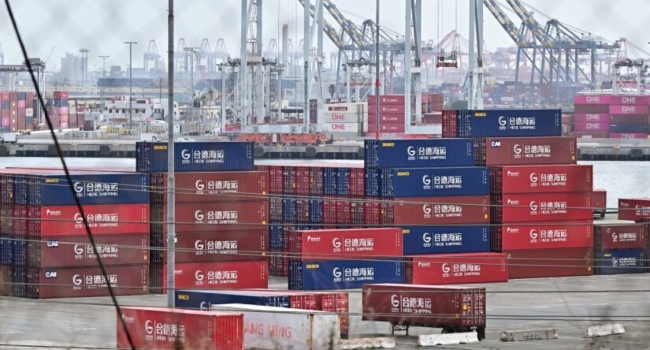
The most significant disruption has been to energy flows through the Strait of Hormuz, a critical chokepoint for global oil supply. Although not officially closed, shipping has been severely constrained after Iran’s Revolutionary Guards threatened to attack any vessel attempting to transit the waterway, through which approximately one-fifth of the world’s oil passes. An Iranian general warned oil prices could reach $200 per barrel and pledged to target pipelines and prevent oil exports from the region.
These threats drove crudeoil prices higher for a second session. Brent North Sea crude rose 2.5 per cent to $79.67 per barrel, while West Texas Intermediate gained 2.0 per cent to $72.65, following a near 14 per cent spike on Monday. The crisis also impacted liquefied natural gas markets after Qatar, a major supplier, reportedly halted some production, contributing to a near 40 per cent jump in European gas prices.
The conflict, which began with a U.S. strike that Iran confirmed killed Supreme Leader Ayatollah Ali Khamenei, has raised concerns about a prolonged energy supply shock. U.S. President Donald Trump stated the war was proceeding “substantially” ahead of schedule but warned it could last over four weeks. He outlined objectives including degrading Iran’s missile capabilities, navy, and nuclear program, while stopping its support for regional proxies, notably omitting regime change.
Analysts caution that a sustained disruption would exacerbate inflation and damage global economic growth, creating a stagflationary dilemma for central banks. “A spike in energy prices creates a dilemma for central banks,” said Rodrigo Catril of National Australia Bank. “A longer-lasting energy shock is inflationary, and at the same time, it weakens growth.”
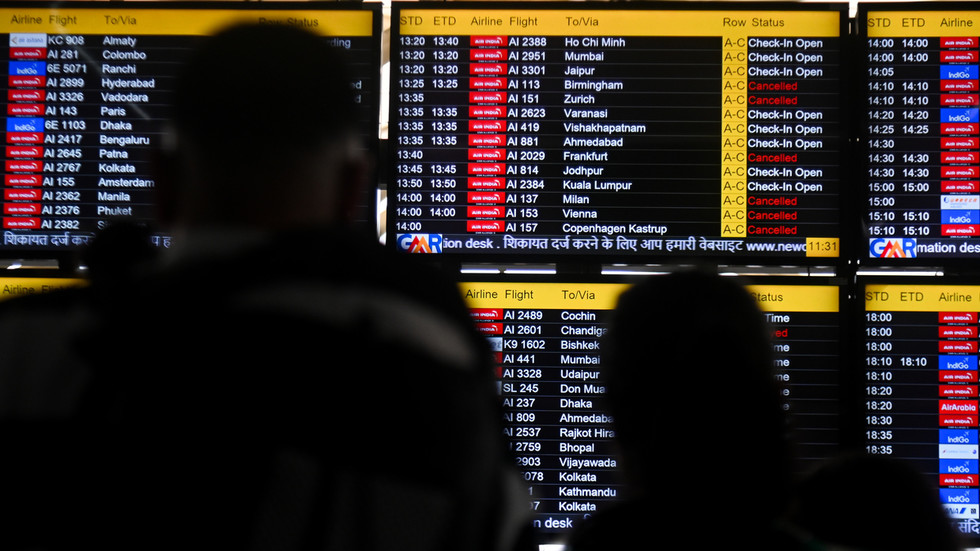
The market impact was evident in equities, which extended losses across Asia. South Korea’s KOSPI, already buoyed by a tech rally this year, fell over five per cent. Analysts noted the country’s heavy reliance on energy imports makes it particularly vulnerable to price surges. Major losers included airlines, with Japan Airlines down over five per cent and Qantas losing three per cent, as fuel cost pressures mount. European markets also closed lower, with London’s FTSE 100 down 1.2 per cent.
While current market moves have been measured by hopes for a swift resolution, the potential for a wider conflict that permanently impairs Gulf infrastructure remains a critical risk. “Gulf producers do have storage capacity, pipelines, and tanker alternatives, but these are not unlimited,” noted Chris Weston of Pepperstone.
The situation underscores the fragile intersection of geopolitical instability, energy security, and global monetary policy, with prolonged tensions threatening to derail recent progress on inflation and economic recovery.
Word Count: 348