
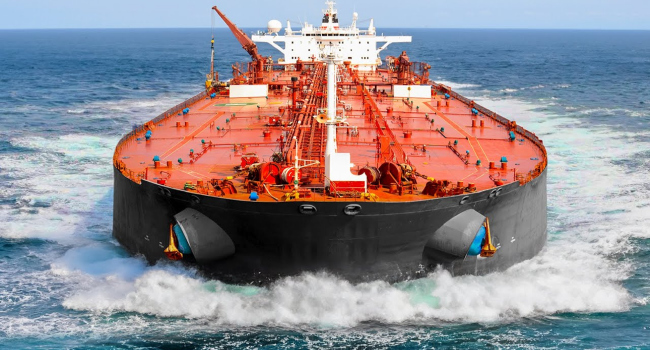
Global oil tanker charter rates have reached record highs as escalating geopolitical tensions in the Middle East disrupt shipping through the critical Strait of Hormuz, immediately impacting global energy logistics and costs.
According to shipping data, freight rates for supertankers carrying crude oil from the Persian Gulf to markets like China have surged to unprecedented levels. This spike follows military strikes and retaliatory actions involving the United States, Israel, and Iran, which have heightened risks in the region. The Strait of Hormuz, a narrow chokepoint between Iran and Oman, is normally traversed by about one-fifth of the world’s total oil and gas shipments. However, repeated attacks on commercial vessels and threats from Iranian forces have led many carriers to avoid the waterway entirely.
The near-halt in commercial tanker movements through the strait has forced ships to undertake longer alternative routes, such as around the Cape of Good Hope in Africa. These detours significantly increase transit times and fuel consumption, tightening global tonnage availability and driving up charter rates. The situation underscores how swiftly regional conflict can transmit cost shocks through international energy markets.
In a related development, QatarEnergy, the state-run energy firm, announced the suspension of some downstream production. This follows an earlier halt to liquefied natural gas (LNG) output after Iranian attacks targeted gas processing facilities. The company confirmed it has stopped producing urea, polymers, methanol, aluminum, and other products, highlighting the spillover effects of the regional instability on broader commodity supply chains.
Analysts emphasize that the duration and intensity of the conflict will determine the lasting impact on shipping costs and energy prices. An extended closure of the Strait of Hormuz would likely sustain elevated freight rates, lock in higher transportation expenses for global trade, and potentially force further strategic adjustments in supply chain planning. While current disruptions are severe, their persistence could redefine shipping economics and energy security calculations in the near term.
The episode serves as a stark reminder of the Strait of Hormuz’s indispensable role in global oil flows and the immediate, tangible consequences that maritime insecurity can have on worldwide fuel prices and logistics networks.




Comments are closed for this story.