
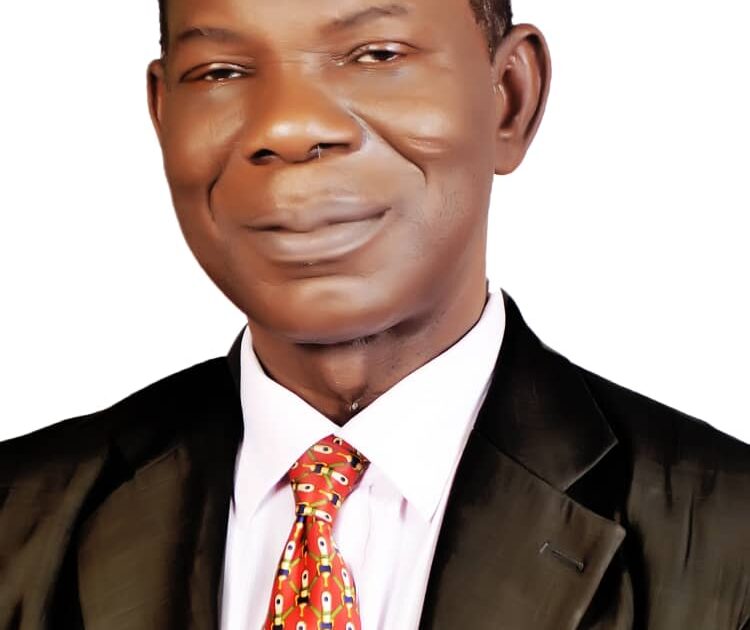
Nigeria’s high infant and maternal mortality rates are linked to a large number of children who have never received a single vaccine, according to Amos Magaji, Chairman of the House of Representatives Committee on Health Care Services. Speaking at the Immunisation Financing Champions Summit in Abuja, Magaji stressed the need to strengthen primary healthcare services to address this problem. He pointed out that many states lack adequate resources, workforce, and funding, resulting in “zero‑dose” cases where children have not received any routine immunisation.
The summit gathered health committee chairpersons from state Houses of Assembly to ensure that national efforts are replicated at the state level, where primary‑healthcare oversight is more frequent. Magaji highlighted that the Basic Healthcare Provision Fund, created to support primary health centres, requires complementary funding and monitoring from states and local governments to be effective. He called for collaboration between the National Assembly and state legislatures to ensure proper utilisation of funds allocated for primary healthcare.
According to Magaji, several states have begun committing to employ additional health workers, with some pledging to hire over 1,000 primary‑healthcare personnel annually over the next four years. This move is expected to improve primary‑healthcare services and reduce the number of “zero‑dose” children.
Muyi Aina, Chief Executive of the National Primary Health Care Development Agency, endorsed ongoing efforts to increase basic‑healthcare financing and improve vaccine‑funding releases, which have been hampered by chronic underfunding. Aina noted that the National Assembly is working to raise the Basic Healthcare Provision Fund from 1 % to 2 % and to restructure vaccine financing to prevent delayed releases. Additionally, steps are being taken to ensure states contribute more resources to primary healthcare.
Chika Offor, CEO of the Vaccine Network for Disease Control, commended these initiatives and highlighted the need for constitutional amendments to further strengthen immunisation and primary‑healthcare systems. Despite national vaccination programmes and international support, Nigeria continues to struggle with a high number of “zero‑dose” children, a factor that contributes to its elevated infant and maternal mortality rates. The recent summit and the ongoing push to bolster primary‑healthcare services and increase funding represent significant steps toward improving the country’s healthcare system and ensuring that all children have access to essential vaccines.

Comments are closed for this story.