The Nigerian Hypertension Society warned that hypertension is a mounting public‑health crisis in Nigeria, with an estimated one‑third of adults living with the condition and fewer than 20 percent achieving adequate blood‑pressure control. The Society issued the statement on Saturday, ahead of World Hypertension Day, which this year carries the theme “Controlling Hypertension Together: Check your blood pressure regularly and defeat the silent killer.”
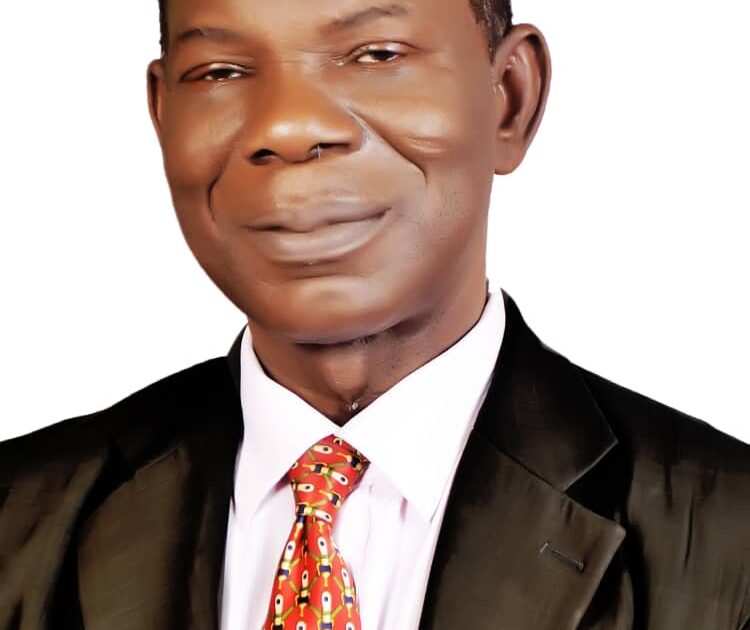
Society President Prof. Simeon Isezuo described hypertension as the leading preventable cause of death and disability in the country and worldwide. He said many Nigerians remain unaware of their condition until serious complications such as stroke, kidney failure, heart failure or heart attack occur. “Hypertension remains one of the greatest public‑health challenges of our time,” Isezuo said. “The silent killer can be defeated if detected early and properly managed.”
The Society identified several inter‑linked factors that fuel the crisis. Low public awareness, late diagnosis and poor adherence to medication are compounded by weak primary‑health‑care infrastructure, poverty and unhealthy lifestyles that include excessive salt consumption, physical inactivity and high stress levels. Economic pressures have driven up the cost of antihypertensive drugs, transport to health facilities and nutritious food, prompting many patients to ration, reduce or abandon treatment altogether.
In response, the Society announced a nationwide campaign to mark World Hypertension Day. Its members will conduct free blood‑pressure screening sessions and launch public‑education drives through print and electronic media. The organization also plans a series of continuing‑medical‑education webinars on hypertension and diabetes for health‑care workers.
While acknowledging recent government efforts to address the disease, the Society called for stronger support measures. It urged federal, state and local authorities to subsidise essential antihypertensive medicines, expand health‑insurance coverage and reinforce primary‑care services. “We need affordable treatment for all Nigerians,” Isezuo said. “Subsidised drugs and broader insurance will enable more people to stay on therapy and avoid preventable deaths.”
The Society appealed to clinicians to integrate routine blood‑pressure checks into adult consultations and to provide counselling on lifestyle modification and evidence‑based treatment. It also encouraged Nigerians to monitor key health indicators – blood pressure, blood sugar, cholesterol and body weight – and to adopt simple preventive habits such as balanced nutrition, regular exercise, reduced salt intake, avoidance of tobacco and excessive alcohol, and adherence to medical appointments.
The warning comes as Nigeria grapples with broader economic challenges that threaten health‑care access for vulnerable populations. By highlighting the scale of hypertension, the Society seeks to galvanise collective action across government, the private sector, civil‑society groups, faith leaders and families. The hope is that coordinated screening, education and affordable treatment will curb the disease’s silent toll and improve long‑term health outcomes for millions of Nigerians.