
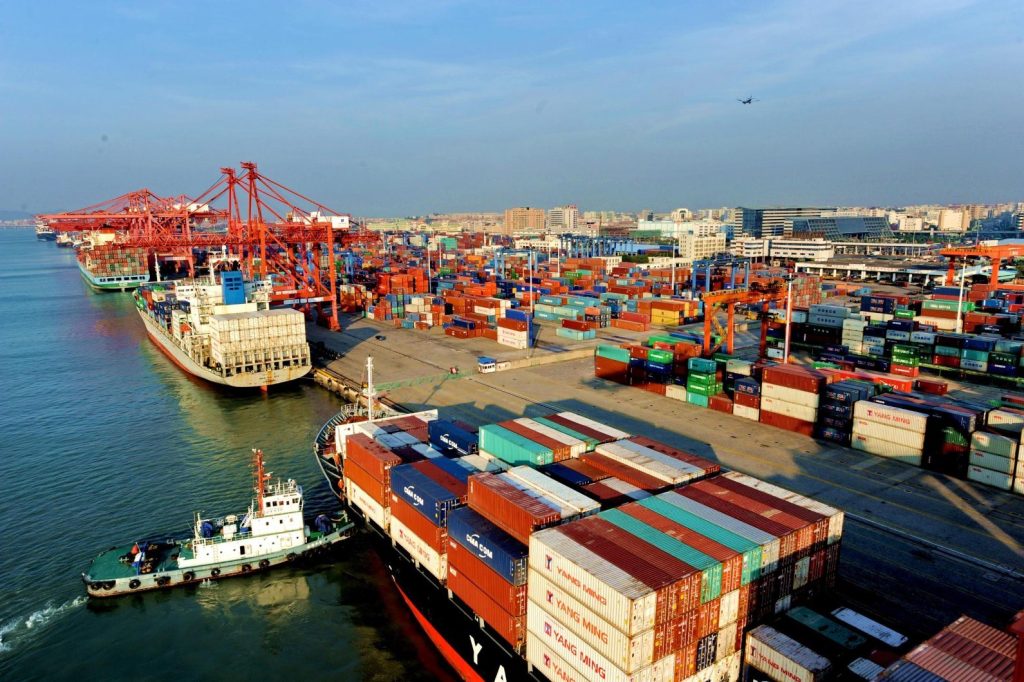
Thirty-Three Vessels Scheduled to Arrive at Lagos Ports This Week
The Nigerian Ports Authority (NPA) has announced that 33 vessels carrying essential goods are expected to berth at Lagos ports between March 2 and March 8. The arrivals, detailed in the authority’s latest Daily Shipping Position, will be distributed across the Apapa Port, Tin Can Island Port, and the Lekki Deep Sea Port.
The inbound fleet includes a mix of vessel types. Sixteen are container ships loaded with assorted consumer and manufactured goods. The remaining 17 vessels are bulk carriers and tankers transporting critical commodities such as petroleum products (including aviation fuel, petrol, and diesel), bulk urea, crude oil, fertiliser, salt, gypsum, sugar, and other general cargo.
This scheduled influx follows ongoing maritime operations at the same facilities. The NPA reported that 11 vessels and tankers have already arrived and are currently awaiting berthing space. Their cargoes include aviation fuel, petrol, diesel, alkaline substances, and containerised goods.
Meanwhile, port operations are actively underway. Seventeen vessels are presently discharging cargo at Apapa, Tin Can Island, and Lekki ports. Activities involve handling bulk wheat, urea, gas, trucks, various containerised goods, and other general cargo, indicating steady port throughput along the Lagos corridor.
The Lekki Deep Sea Port, operational since early 2023, continues to enhance the region’s cargo handling capacity, complementing the older Apapa and Tin Can Island terminals which handle the majority of Nigeria’s maritime trade.
These movements underscore the critical role of the Lagos port complex in Nigeria’s supply chain, facilitating the import of fuel, food staples, agricultural inputs, and manufactured goods vital for economic activity. The NPA’s published shipping schedule provides stakeholders with forward visibility into cargo inflows, supporting logistics planning across the country.
The authority continues to monitor vessel movements and berthing schedules to optimise turnaround times and maintain the flow of essential commodities into Nigeria’s largest commercial hub.




Comments are closed for this story.