
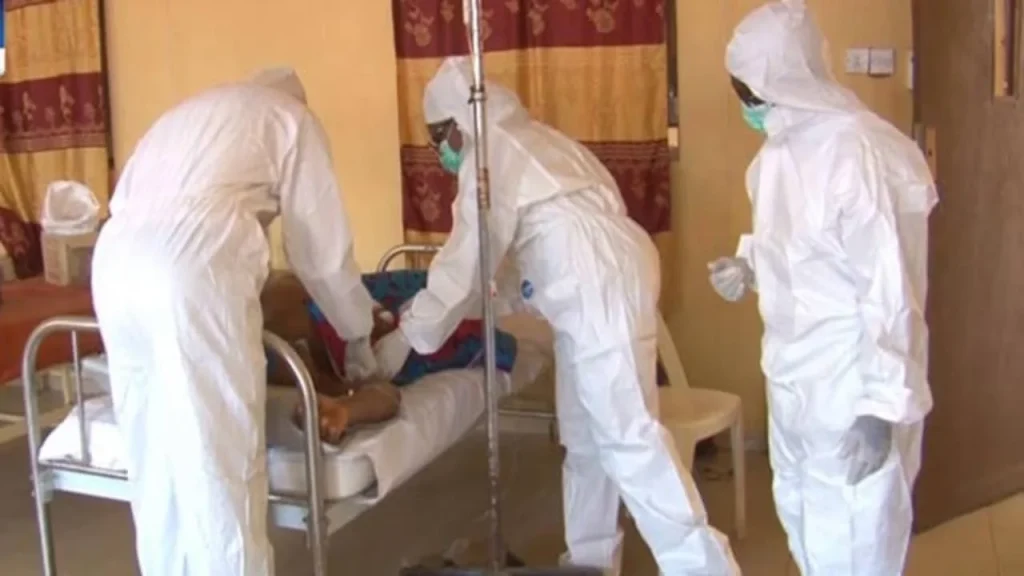
Nigerian Health Authority Urges States to Intensify Lassa Fever Response as Cases Rise
ABUJA — The Nigeria Centre for Disease Control (NCDC) has appealed to state governments to bolster their public health measures amid a persistent increase in Lassa fever cases nationwide. The agency’s latest epidemiological report indicates a rising number of infections across multiple states, a trend that aligns with the country’s dry season, a period historically associated with heightened outbreaks of the rodent-borne viral disease.
The NCDC emphasized that while the federal agency stands ready to provide logistical and technical support, effective containment hinges on decisive, localized action. State authorities are specifically urged to enhance disease surveillance systems for prompt case detection, ensure infected individuals receive timely and appropriate medical care, and ramp up community engagement to raise public awareness.
Lassa fever is primarily transmitted to humans through contact with food or household items contaminated by urine or feces of infected multimammate rats. The disease, a form of viral hemorrhagic fever, is endemic in parts of West Africa, with Nigeria regularly reporting the highest burden.
In its advisory, the NCDC reiterated key preventive measures for the public: maintaining strict household hygiene, storing food in rodent-proof containers, and keeping living environments clean to minimize exposure to rodents. The agency also stressed the critical importance of early medical intervention for anyone exhibiting symptoms such as fever, general weakness, headache, vomiting, or bleeding. Prompt diagnosis and treatment significantly improve survival rates.
Health officials note that the current rise in cases, occurring during the dry season, underscores the need for sustained vigilance. The seasonal pattern is often linked to increased rodent migration into human dwellings in search of food and shelter as natural sources dwindle.
The NCDC’s call highlights a recurring challenge in Nigeria’s public health landscape: the translation of national strategies into effective state-level implementation. Strengthening state-level rapid response teams, diagnostic capabilities, and isolation facilities is identified as a crucial step to curb transmission and reduce mortality.
The agency assured Nigerians of its continued coordination role but warned that without amplified and consistent efforts from state governments, the outbreak’s trajectory could worsen. The public is advised to remain informed through official channels and to adopt recommended hygiene practices as a primary line of defense.


Comments are closed for this story.