
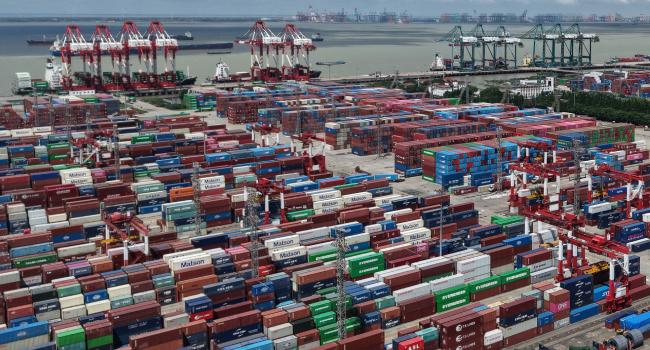
Nigeria’s maritime sector achieved a record 24.8 per cent surge in total cargo throughput in 2025, jumping from 103.6 million metric tonnes to 129.3 million metric tonnes, according to the latest official figures.
The 2025 Operational Performance Report from the Nigerian Ports Authority (NPA) described the increase as one of the most significant growth spurts in the nation’s maritime history. NPA Managing Director, Dr. Abubakar Dantsoho, signed the report, which attributes the performance to ongoing reforms and infrastructure investments.
Key drivers include the continued rollout of port modernisation programmes and the adoption of digital systems such as the National Single Window. These initiatives are highlighted as catalysts for enhancing efficiency and facilitating future expansion across the sector’s logistics chain.
The milestone strengthens Nigeria’s position as a pivotal hub for regional and global trade. Analysts note the trend reflects a robust recovery and increasing dynamism within the country’s trade ecosystem, with ports playing a central role in economic growth.
This development aligns with a broader surge in economic confidence. The Nigerian Economic Summit Group (NESG) reported that the Business Confidence Index (BCI) reached a record 117.2 points in February 2026, up from 105.8 in January. The reading represents the highest level on record, indicating strong expansionary momentum.
Economists and trade specialists argue that the cargo throughput growth validates the Federal Government’s economic diversification strategy. The strategy emphasises growing non-oil exports and improving logistics competitiveness at Nigerian ports. The convergence of rising port activity and heightened business sentiment suggests a strengthening of non-oil trade fundamentals.
The NPA report positions the 2025 performance as a foundation for sustained growth into 2026 and beyond. Continued focus on digitalisation, infrastructure upgrades, and regulatory reforms is expected to further reduce turnaround times and attract greater shipping traffic.
The figures provide a concrete indicator of progress in Nigeria’s efforts to transform its maritime and logistics landscape. As the sector expands, it underscores the potential for increased trade volumes and greater integration into global supply chains, contingent on the consistent implementation of planned reforms.




Comments are closed for this story.